

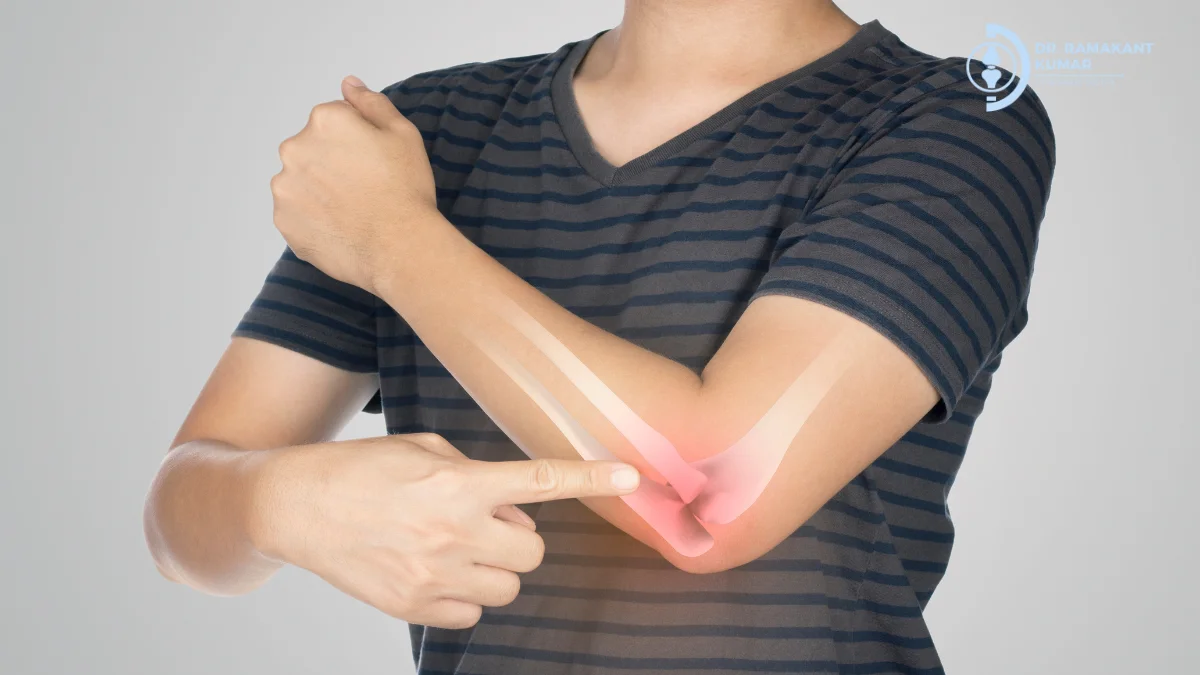
I meet many patients who walk in saying, ‘Doctor, it was just a small fall’, or ‘I only twisted my ankle a little’. And honestly, sometimes it is a simple soft-tissue injury. But quite often, the pain is not just a strain. It is a small bone injury that was missed early, like a chipped bone or a hairline crack. The tricky part is this: in the first 24 to 48 hours, a minor injury and a chipped bone can feel surprisingly similar.
In this article, I will help you understand the real difference between normal pain after an injury and signs that suggest a chipped bone or fracture. My goal is to help you make a safe decision early, because ignoring the wrong kind of pain can turn a small problem into a long recovery.
Contents
- 0.1 What Is a Chipped Bone?
- 0.2 Why Chipped Bones Get Missed So Often
- 0.3 Chipped Bone vs Fracture: What Is the Real Difference?
- 0.4 Minor Injury or Chipped Bone? A Self-Check That Actually Helps
- 0.5 Signs of a Chipped Bone You Should Not Ignore
- 0.6 Common Areas Where Chipped Bones Are Missed
- 0.7 What You Should Do Immediately After Injury (Safe First Aid)
- 1 What Happens If a Chipped Bone Is Ignored and How We Diagnose It Correctly
- 1.1 What Happens If a Chipped Bone Is Left Untreated?
- 1.2 Why Painkillers Alone Are Not a Solution
- 1.3 How Orthopedic Doctors Diagnose a Chipped Bone
- 1.4 Clear Signs You Should See an Orthopedic Doctor Without Delay
- 1.5 What Patients Often Get Wrong About Minor Injuries
- 1.6 Initial Treatment Approach for a Chipped Bone
- 2 Recovery, Prevention, and Choosing the Right Orthopedic Care
- 2.1 How Long Does a Chipped Bone Take to Heal?
- 2.2 What Recovery Usually Looks Like (Week by Week)
- 2.3 Why Some Chipped Bones Heal Poorly
- 2.4 Can a Chipped Bone Turn Into a Bigger Problem Later?
- 2.5 Practical Tips to Prevent Chipped Bone Injuries
- 2.6 When Is It Safe to Resume Normal Activities?
- 2.7 Why Choosing the Right Orthopedic Doctor Matters
- 2.8 Conclusion
- 2.8.1 How do I know if my pain is a chipped bone or just a minor injury?
- 2.8.2 Can a chipped bone heal on its own without treatment?
- 2.8.3 Will a chipped bone always show up on an X-ray?
- 2.8.4 How long should I wait before seeing a doctor after an injury?
- 2.8.5 Is it safe to walk or use the limb if I have a chipped bone?
- 2.8.6 What is the biggest risk of ignoring a chipped bone?
- 2.8.7 Can painkillers hide a chipped bone injury?
- 2.8.8 When should I seek urgent orthopedic care?
What Is a Chipped Bone?
A chipped bone is a small break where a tiny piece of bone cracks or flakes off. Many people imagine a fracture as a clear ‘bone break’, but bone injuries exist on a spectrum. On one end, you may have a bruise or ligament sprain. On the other end, you may have a complete fracture where the bone breaks into two or more parts. A chipped bone often sits in between. The bone may not look obviously broken, but the surface or edge has been damaged.
This is why patients search terms like ‘minor injury or chipped bone’ or ‘signs of a chipped bone’. They are feeling pain that does not match their expectation of a serious fracture.
A chipped bone can happen in two main ways:
- A direct hit or fall causes a small piece of bone to chip, especially near joints.
- A twisting injury causes bone stress at an edge, leading to a small crack or chip, commonly around the ankle, wrist, or fingers.
Why Chipped Bones Get Missed So Often
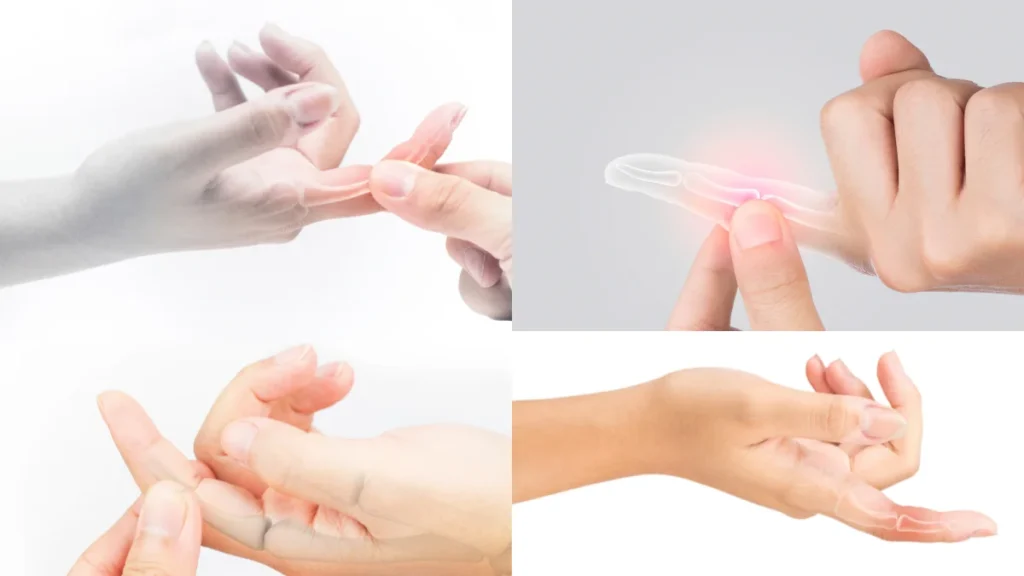
A chipped bone is easy to ignore because it may not cause dramatic deformity. You might still be able to walk, move your hand, or continue daily work. The swelling may be mild. And sometimes painkillers reduce the pain temporarily, giving a false sense of recovery. But the moment you try to use the injured area normally again, the pain returns.
In my clinical practice, the most common reason a chipped bone becomes a long-term issue is delay. People continue walking on a painful foot, keep using an injured wrist, or keep playing sports thinking it is just a sprain. That repeated stress slows healing, increases inflammation, and can worsen the injury.
Chipped Bone vs Fracture: What Is the Real Difference?
Patients often ask me, ‘Is a chipped bone the same as a fracture?’ The medical answer is: a chipped bone is a type of fracture, but it is usually a smaller and more localized one. Still, it can be serious depending on the location, the joint involved, and whether the fragment affects stability.
Here is how I explain chipped bone vs fracture in practical terms.
1) Pain quality and behavior
- Chipped bone pain is often sharp at one specific point. It usually increases when you press directly over that bone area. Many patients describe it as a ‘pinpoint pain’ that does not fully go away.
- Fracture pain tends to be stronger and deeper. It may feel intense even at rest, and movement can be very painful.
But pain alone is not enough. Some fractures hurt less than expected, especially hairline fractures. And some sprains hurt a lot. So we look at a combination of signs.
2) Swelling pattern
- With a minor injury, swelling often peaks in the first 24 hours and then gradually starts reducing.
- With a chipped bone or fracture, swelling may stay the same or increase after the first day, especially after you use the limb.
A common clue I tell patients: if swelling keeps returning after walking, typing, or lifting, you should suspect more than a simple strain.
3) Functional limitation
- In minor injuries, you can usually move the joint, even if it hurts.
- In a chipped bone or fracture, your body naturally blocks movement to protect itself. You may feel weakness, instability, or a sudden pain when you try to load weight.
If you cannot do normal things like gripping, standing on that foot, climbing stairs, or rotating the wrist without sharp pain, you should consider bone injury.
Minor Injury or Chipped Bone? A Self-Check That Actually Helps
I do not recommend self-diagnosing, but a smart self-check can help you decide whether you need urgent evaluation.
Use this checklist after an injury:
Step 1: Locate the pain
- If pain is spread out in the muscle or around the joint, it may be soft tissue.
- If pain is clearly focused on one bony point, a chipped bone is more likely.
Try pressing gently along the bone (not aggressively). If there is one spot that feels like a needle point pain, that is a meaningful sign.
Step 2: Look at how pain changes after 48 hours
A minor injury usually shows at least a small improvement in 2 days. If your pain is:
- not improving at all, or
- getting worse, or
- returning strongly after short activity
then you should treat it as a possible chipped bone or fracture until proven otherwise.
Step 3: Check functional stress (without forcing)
Do not try to ‘test your strength’ in a risky way. Just notice basic function:
- Can you take 4 normal steps without limping?
- Can you grip a bottle without sharp pain?
- Can you rotate the wrist or ankle gently without catching pain?
If basic movements trigger sharp bone pain, do not keep pushing. That is how small injuries become bigger.
Signs of a Chipped Bone You Should Not Ignore
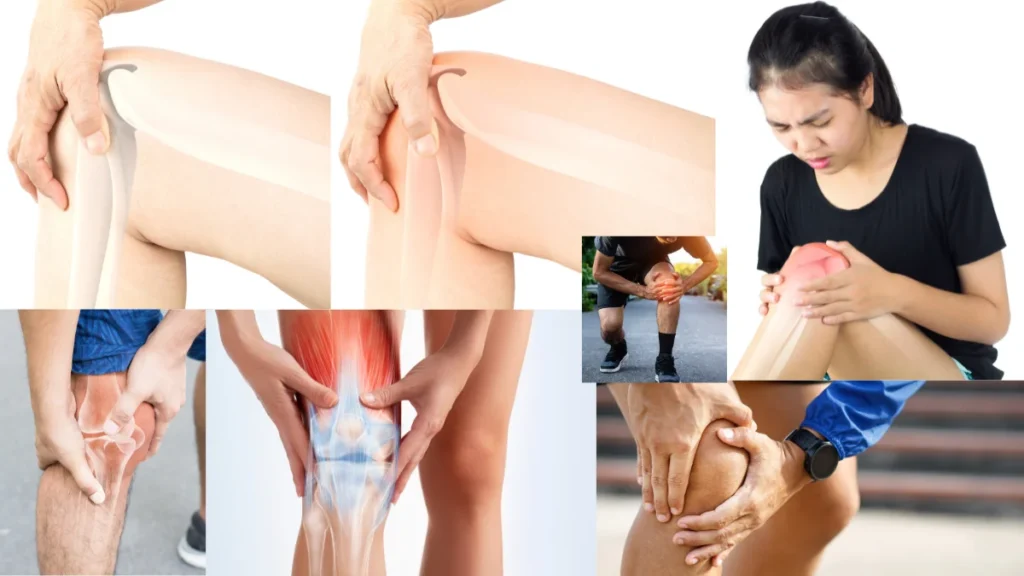
Now I will share the key warning signs I want my patients to remember. These are not generic symptoms. These are the patterns that frequently show up in chipped bone cases.
1) Pinpoint tenderness on the bone
This is one of the strongest signs. A sprain hurts around ligaments. A chipped bone often hurts at one exact point on the bone edge.
Example: after an ankle twist, pain exactly on the outer ankle bone (not just soft swelling around) raises suspicion of bone injury.
2) Pain that spikes with weight or grip
You might feel okay at rest, but the moment you stand, climb stairs, or carry something, pain jumps. This is common in small fractures and chips because loading the bone irritates the injured surface.
3) Swelling that stays longer than expected
Bruises and sprains often start improving in 2 to 3 days. If swelling remains firm, tight, or keeps returning after activity, we should rule out a chipped bone.
4) Bruising that appears away from the main pain point
Sometimes bruising spreads due to gravity. But when bruising shows up in unusual areas after impact, it can indicate deeper tissue injury and sometimes bone injury.
5) Pain that returns after temporary relief
This is a pattern I see frequently. You take rest, apply ice, feel better, and then pain returns the moment you resume work. That back-and-forth pain pattern often points to an undiagnosed bone crack or chip.
Common Areas Where Chipped Bones Are Missed
Certain bones are famous for being missed early because symptoms look like sprain pain.
- Wrist (especially after a fall on the hand): Patients assume it is a minor sprain, but small bone fractures can hide.
- Ankle and foot: Many foot fractures are treated as sprains initially, especially if the person can walk.
- Fingers: A small chip near a joint can cause long-term stiffness if untreated.
- Elbow and shoulder edge injuries: Direct falls can cause small bone chips near the joint surface.
If your pain is in these areas and not improving, do not delay evaluation.
What You Should Do Immediately After Injury (Safe First Aid)
If you suspect a minor injury or chipped bone, your first 24 to 48 hours matter.
- Rest the area: Do not keep testing it.
- Ice: 10 to 12 minutes, 3 to 4 times a day. Do not apply ice directly to skin.
- Compression: A crepe bandage is helpful, but do not wrap too tight.
- Elevation: Keep the limb elevated to reduce swelling.
- Avoid massage in first 48 hours: Massage can worsen bleeding and swelling in some injuries.
Important: If pain is severe, swelling is increasing, or you cannot use the limb normally, do not wait to ‘see if it settles’. That delay is where complications start.
What Happens If a Chipped Bone Is Ignored and How We Diagnose It Correctly
By the time patients reach me, many say, “Doctor, I thought it would heal on its own.” Sometimes it does not. A chipped bone may look small on a scan, but the consequences of ignoring it can be surprisingly serious, especially when a joint surface is involved.
What Happens If a Chipped Bone Is Left Untreated?
This is where I want you to pay close attention. A chipped bone is not just about pain. It is about how the bone heals and how the joint functions later.
1) Delayed or incomplete healing
Bones heal through a biological process that needs stability. When you keep using an injured bone without support, healing slows down. Instead of settling in a few weeks, pain can last for months. Patients then search for things like “bone pain not healing” or “persistent pain after minor injury”.
2) Worsening of the injury
I have seen small chips turn into proper fractures simply because the area was stressed repeatedly. Walking long distances, lifting weight, or continuing sports can convert a minor bone injury into a bigger break.
3) Joint surface damage
This is especially important. Many chipped bones occur near joints like the ankle, wrist, knee, or shoulder. If a chipped fragment affects the smooth joint surface and heals incorrectly, it can lead to:
- Chronic stiffness
- Catching or locking sensation
- Early joint degeneration or arthritis
Once joint cartilage is affected, treatment becomes more complex. Early diagnosis prevents this.
4) Long-term weakness and instability
Even after pain reduces, untreated chipped bones can leave the area weak. Patients complain of repeated pain during activity, frequent swelling, or fear of movement. This affects daily life and confidence.
Why Painkillers Alone Are Not a Solution
Painkillers reduce symptoms, not the injury. When pain reduces temporarily, you may overload the injured bone again. This cycle of pain relief and re-injury is very common.
As an orthopedic doctor, I always tell patients: pain relief without diagnosis is risky in bone injuries.
How Orthopedic Doctors Diagnose a Chipped Bone
Many patients assume that one X-ray always gives the answer. That is not true.
Diagnosis involves three important steps, not just a scan.
1) Clinical examination matters more than you think
Before ordering any test, I carefully examine:
- Exact pain location
- Bone tenderness
- Swelling pattern
- Movement limitation
- Stability of the joint
Often, the examination itself raises suspicion of a chipped bone even if early X-rays look normal.
2) X-ray: Useful but not perfect
X-rays are the first step, but small bone chips, especially near joints or overlapping bones, can be missed. This is why some patients are told “your X-ray is normal” but pain continues.
If symptoms and examination do not match the X-ray, we do not stop there.
3) Advanced imaging when needed
- MRI helps detect bone marrow injury, hidden fractures, and soft tissue damage.
- CT scan shows bone detail clearly and helps identify small chips or joint surface involvement.
The choice depends on injury type, location, and clinical suspicion. This is why orthopedic evaluation is important instead of self-deciding tests.
Clear Signs You Should See an Orthopedic Doctor Without Delay
I want to be very direct here. You should consult an orthopedic specialist immediately if:
- Pain lasts more than 2 to 3 days without improvement
- Pain increases after activity instead of reducing
- You cannot bear weight or use the limb normally
- There is pinpoint bone tenderness
- Swelling keeps returning
- Pain returns every time you stop pain medication
- Injury happened due to a fall, accident, or sports impact
These are not warning signs to ignore. Early evaluation often means simpler treatment and faster recovery.
What Patients Often Get Wrong About Minor Injuries
Let me clear a few misconceptions I hear daily:
- “If I can walk, the bone cannot be broken.”
Not true. Many foot and ankle fractures allow walking initially. - “There is no swelling now, so it must be fine.”
Swelling can reduce while the bone injury remains. - “I will wait one more week.”
That one week often turns into six weeks of pain.
Listening to your body early saves time, money, and discomfort later.
Initial Treatment Approach for a Chipped Bone
Once diagnosed, treatment depends on location, severity, and joint involvement.
Conservative treatment (most cases)
- Temporary immobilization with splint or brace
- Activity modification
- Gradual return to movement
- Pain control without overuse
- Follow-up to confirm healing
When surgery is considered
Surgery is not common, but may be needed if:
- A large fragment affects joint movement
- Bone piece is displaced
- Injury is unstable or not healing
The key message is this: early care usually avoids surgery.
Recovery, Prevention, and Choosing the Right Orthopedic Care

By this stage, you already know that a chipped bone is not something to brush aside. Now I want to answer the two questions patients care about most: how long will recovery take and how do I avoid this problem again. I will also explain why timely consultation with the right orthopedic doctor makes a real difference in outcomes.
How Long Does a Chipped Bone Take to Heal?
Healing time depends on three factors: location, severity, and how early treatment starts.
- Small chipped bones away from joints
These often heal in 3 to 6 weeks with proper rest and protection. - Chipped bones near joints (ankle, wrist, knee, shoulder)
Healing may take 6 to 8 weeks, sometimes longer, because joint movement keeps stressing the area. - Delayed diagnosis cases
When patients keep using the limb for weeks before diagnosis, recovery can extend to 10 to 12 weeks or more.
One important point I tell every patient: pain reduction does not always mean full healing. Bone strength and stability return gradually. Stopping support too early increases the risk of re-injury.
What Recovery Usually Looks Like (Week by Week)
This realistic timeline helps patients understand what is normal.
- First 1 to 2 weeks
Pain reduces with rest. Swelling settles. Immobilization may be advised. Movement is limited. - Weeks 3 to 4
Controlled movement starts. Pain should be clearly improving, not fluctuating. - Weeks 5 to 8
Strength returns gradually. Weight-bearing or load increases carefully.
If pain spikes again during this process, it is a signal to reassess, not to push harder.
Why Some Chipped Bones Heal Poorly
In my experience, poor healing is rarely bad luck. It usually happens due to:
- Ignoring pain early
- Continuing activity without support
- Self-medicating without diagnosis
- Skipping follow-up visits
Bone healing is a partnership between your body and your decisions.
Can a Chipped Bone Turn Into a Bigger Problem Later?
Yes, and this is important. If a chipped bone heals in a misaligned way, especially near a joint, it can cause:
- Chronic pain during activity
- Joint stiffness
- Reduced range of motion
- Early arthritis in that joint
This is why orthopedic evaluation is not about fear, it is about preventing long-term damage.
Practical Tips to Prevent Chipped Bone Injuries
While accidents cannot be fully avoided, many chipped bone injuries are preventable.
1) Respect pain after a fall or impact
Pain is a warning signal, not an inconvenience. If pain persists beyond 48 hours, do not ignore it.
2) Use proper footwear and support
Slips and ankle twists are a major cause of missed fractures. Stable footwear reduces risk.
3) Strengthen muscles around joints
Strong muscles protect bones by absorbing impact. Weak muscles transfer stress directly to bone.
4) Do not rush back into activity
Returning to work, sports, or exercise too early is one of the biggest reasons chipped bones worsen.
5) Get checked if pain keeps returning
Recurring pain at the same spot is never normal. It deserves evaluation.
When Is It Safe to Resume Normal Activities?
This decision should not be based only on pain relief. It depends on:
- Clinical improvement
- Imaging results (when required)
- Functional testing
In general:
- Light daily activities can resume earlier
- Sports, running, lifting, and heavy work should wait until bone healing is confirmed
Rushing recovery often costs more time in the end.
Why Choosing the Right Orthopedic Doctor Matters

Bone injuries require more than just a prescription. They require accurate diagnosis, experience-based judgment, and proper follow-up.
When patients search for the best orthopedic doctor in Patna, what they truly need is:
- Someone who listens carefully
- Someone who examines properly, not just looks at reports
- Someone who understands when pain does not match scans
- Someone who prioritizes safe recovery over quick fixes
Early expert evaluation often prevents surgery, chronic pain, and repeated visits.
Conclusion
I want to end this article with a simple but honest message. If your body is sending you a signal, listen to it. Not every pain means a fracture, but every persistent pain deserves respect.
Small bone injuries like chipped bones are highly treatable when diagnosed early. Delays are what create complications. If you are unsure whether your pain is a minor injury or something more, it is always safer to check once than to suffer for months.
If you need professional guidance, consult an experienced orthopedic specialist who can evaluate your condition accurately and guide you through safe recovery.
How do I know if my pain is a chipped bone or just a minor injury?
If pain improves clearly within 48 hours, it is often a minor injury. If pain stays the same, worsens with activity, or is sharply localized over a bone, a chipped bone or fracture should be suspected and evaluated.
Can a chipped bone heal on its own without treatment?
Some small chipped bones can heal with rest, but many do not heal properly if the area is stressed repeatedly. Without correct diagnosis and protection, pain may last longer and joint problems can develop later.
Will a chipped bone always show up on an X-ray?
No. Small bone chips, especially near joints, may not be visible on early X-rays. If pain persists despite a normal X-ray, further evaluation with MRI or CT scan may be required.
How long should I wait before seeing a doctor after an injury?
If pain does not start improving within 2 to 3 days, or if pain increases with movement or weight bearing, you should consult an orthopedic doctor immediately instead of waiting longer.
Is it safe to walk or use the limb if I have a chipped bone?
Continuing normal use can worsen the injury. Even if walking or movement is possible, repeated stress can delay healing or convert a small chip into a larger fracture.
What is the biggest risk of ignoring a chipped bone?
The biggest risk is improper healing near a joint, which can lead to chronic pain, stiffness, weakness, or early arthritis. Early diagnosis usually prevents these long-term issues.
Can painkillers hide a chipped bone injury?
Yes. Painkillers may temporarily reduce pain but do not heal the bone. This can give a false sense of recovery and lead to further injury if activity is resumed too early.
When should I seek urgent orthopedic care?
Seek immediate care if pain is severe, swelling keeps increasing, movement is restricted, or pain returns every time medication wears off. Injuries after falls, accidents, or sports impact should never be ignored.