
Knee Arthroscopy Surgeon in Patna

Knee pain after a sports injury, twisting movement, fall, or ligament injury should not be ignored, especially when it causes swelling, locking, instability, or difficulty walking. In many cases, the problem may be inside the knee joint, such as a meniscus tear, ACL injury, cartilage damage, loose body, or ligament injury.

Arthroscopic Knee Surgery in Patna by Dr. Ramakant Kumar

Knee pain after a sports injury, twisting movement, fall, or ligament injury should not be ignored, especially when it causes swelling, locking, instability, or difficulty walking. In many cases, the problem may be inside the knee joint, such as a meniscus tear, ACL injury, cartilage damage, loose body, or ligament injury.

Dr. Ramakant Kumar is an orthopaedic surgeon in Patna with training in joint replacement, arthroscopy, ligament injuries, and sports-related knee conditions. He is MBBS, MS Orthopaedics from AIIMS New Delhi, DNB Orthopaedics, Gold Medalist, with advanced fellowship training from Singapore and South Korea.

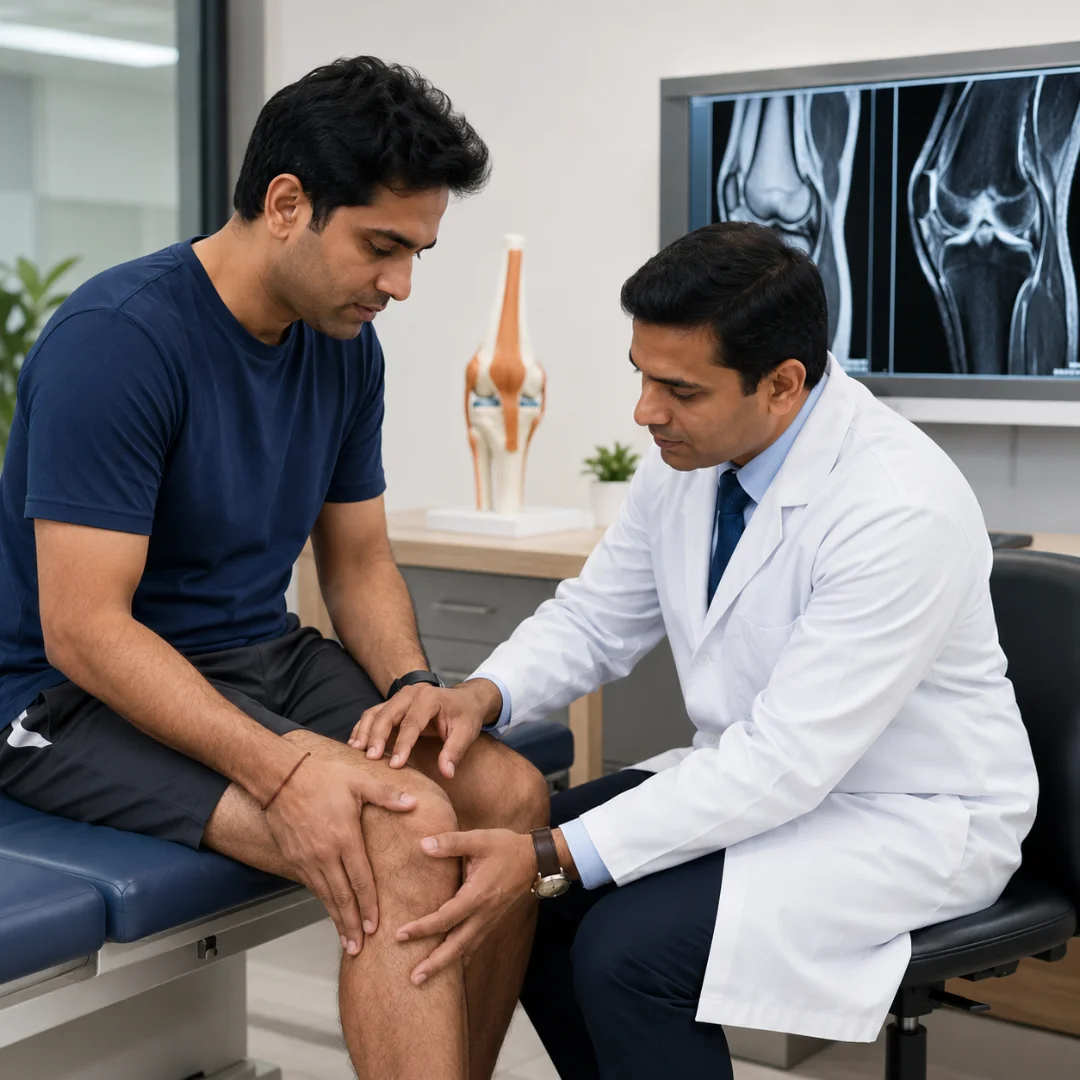
For patients searching for a knee arthroscopy specialist in Patna, the first step is proper diagnosis. Every knee injury does not need surgery. Dr. Ramakant Kumar first evaluates the symptoms, injury history, knee stability, movement, X-ray, and MRI findings before suggesting treatment. If medicines, rest, bracing, physiotherapy, or injections can help, non-surgical care may be advised. If the knee has a repairable internal injury, arthroscopic knee surgery may be considered.

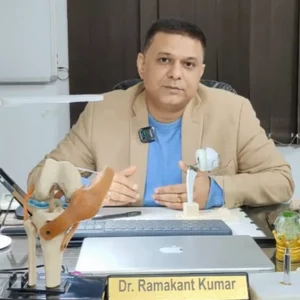
Dr Ramakant Kumar - Best Orthopedic Doctor in Patna Bihar

When Should You Consult a Knee Arthroscopy Doctor in Patna?

  1. You should consult a knee arthroscopy doctor if knee pain is not improving or if the knee feels unstable after an injury. Some knee problems may not be visible from outside, but they can affect the inner structures of the joint. Early evaluation helps identify whether the problem is related to the meniscus, ligament, cartilage, kneecap, or another internal knee structure.

  2. You may need consultation if you have knee pain after a sports injury or twisting movement, swelling that returns again and again, knee locking, catching, clicking with pain, or a feeling that the knee may give way while walking. Difficulty climbing stairs, squatting, fully bending, or straightening the knee may also suggest an internal knee problem.
  3. MRI findings such as ACL tear, PCL tear, meniscus tear, cartilage injury, or loose body should be reviewed by an orthopaedic specialist. Delaying treatment may lead to repeated instability, further meniscus damage, cartilage wear, and long-term knee weakness.

Knee Problems Treated with Arthroscopy

Arthroscopy is useful for many internal knee joint problems. The treatment depends on the type of injury, age, activity level, MRI findings, knee stability, and the patient’s daily or sports needs.

ACL Tear

The ACL helps keep the knee steady during walking, turning, and sports movements.  It is commonly injured during sports, sudden direction change, jumping, road accidents, or twisting injuries. Patients may feel a pop sound, sudden swelling, instability, or fear that the knee will give way.

In active patients with complete ACL tear and repeated instability, ACL reconstruction may be advised. Arthroscopic ACL surgery helps restore knee stability and supports a safer return to daily activities or sports after rehabilitation.

PCL Injury

The PCL is another important ligament inside the knee. It may be injured during road traffic accidents, falls, or direct impact to the front of the knee. Mild PCL injuries may improve with bracing and physiotherapy, but severe or unstable injuries may need surgical reconstruction.

Meniscus Tear

The meniscus is a C-shaped cushion inside the knee that helps absorb shock and protect the joint. A meniscus tear may cause pain, swelling, locking, catching, or difficulty squatting.

Treatment depends on the tear pattern and location. Some tears may be treated with physiotherapy, while others may need meniscus repair or partial meniscectomy. Whenever possible, preserving the meniscus is preferred because it helps protect the knee joint in the long term.

Cartilage Damage

Cartilage injury may cause pain, swelling, stiffness, and difficulty in movement. Arthroscopy can help assess the damaged area and treat selected cartilage problems using suitable techniques.

Loose Bodies in the Knee

Loose pieces of bone or cartilage inside the knee can cause sudden locking, pain, or catching. Arthroscopy can be used to remove these loose bodies and improve joint movement.

Patellar Instability

Some patients experience repeated kneecap slipping or dislocation. In selected cases, arthroscopy-assisted procedures may be used along with ligament reconstruction to improve kneecap stability.

Benefits of Arthroscopic Knee Surgery

Knee arthroscopy is commonly preferred in suitable cases because it is less invasive than open surgery. It allows the surgeon to view the inside of the knee clearly and treat the damaged structure through small incisions.

Possible benefits include:

  • Small cuts instead of a large incision.
  • Less soft tissue disturbance.
  • Better view inside the knee joint.
  • Precise treatment of meniscus, ligament, and cartilage problems.
  • Shorter hospital stay in many cases.
  • Faster early recovery compared to open surgery.
  • Lower infection risk because of smaller wounds.
  • Earlier start of rehabilitation in suitable patients.

The result depends on the type of injury, timing of treatment, surgical technique, physiotherapy, and patient participation in recovery. Arthroscopy is helpful in selected cases, but it is not required for every knee pain patient.

What Happens During Knee Arthroscopy Surgery?

Knee arthroscopy may be done with spinal, regional, or general anesthesia. The suitable option is selected after reviewing the patient’s health and the type of procedure required.

After the treatment is completed, the small cuts are closed and the knee is covered with dressing and bandage. The surgery time depends on the procedure. A simple diagnostic arthroscopy may take less time, while ACL reconstruction or meniscus repair may take longer.

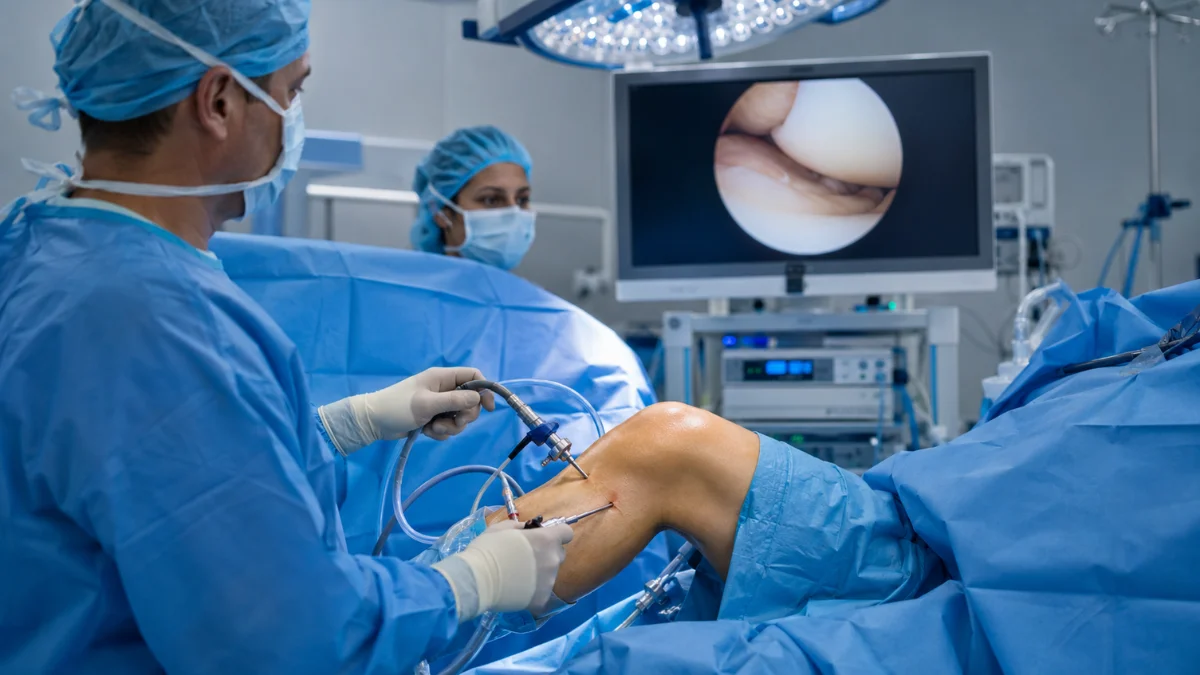
During surgery, small openings are made around the knee. A camera is inserted through one opening, and the inside of the knee joint is viewed on a monitor. A clean surgical fluid is passed into the knee to create space and give the surgeon a clearer view. 

The surgeon then uses small instruments through other openings to treat the problem. This may include meniscus repair, partial meniscectomy, ACL reconstruction, PCL reconstruction, cartilage treatment, loose body removal, or other required procedures.

Recovery After Knee Arthroscopy

  1. Recovery after knee arthroscopy depends on what was done during surgery. A simple meniscus trimming may recover faster than ACL reconstruction, PCL reconstruction, or meniscus repair.In many cases, patients can go home the same day or after a short hospital stay. Mild pain, swelling, and stiffness are common in the early phase and usually improve with medicines, icing, elevation, and exercises.

  2. General recovery advice may include keeping the leg elevated, using ice packs as advised, taking medicines on time, keeping the dressing clean and dry, using crutches if recommended, and avoiding sudden twisting or overloading.
  3. Physiotherapy is an important part of recovery. It helps restore knee movement, muscle strength, balance, and confidence. In ligament reconstruction cases, return to sports may take

Knee Arthroscopy Surgery Cost in Patna

The cost of knee arthroscopy surgery in Patna depends on the type of procedure, hospital facility, implant or graft requirement, anesthesia, room category, tests, medicines, and hospital stay.

Approximate cost may vary as follows:

Diagnostic Knee Arthroscopy

₹50,000 to ₹90,000 approx.

ACL Reconstruction

₹90,000 to ₹2,80,000 approx.

Cartilage Procedure

 ₹1,00,000 to ₹2,50,000 approx

Meniscus Surgery

₹70,000 to ₹1,50,000 approx.

PCL Reconstruction

₹1,20,000 to ₹3,00,000 approx.

Complex Multi-Ligament Surgery

₹2,00,000 to ₹4,00,000+ approx.

These are estimated ranges only. The final cost depends on MRI findings, surgery type, graft choice, implants, hospital stay, and patient condition. A proper examination and report review are needed for an accurate estimate.

Related: Best Knee Replacement Surgeon in Patna, Bihar, India

Tests Needed Before Knee Arthroscopy

Before arthroscopic knee surgery, tests may be advised to confirm the diagnosis and check surgical fitness. MRI is especially useful in ligament injuries, meniscus tears, cartilage damage, and internal knee problems.

Common investigations may include knee X-ray, MRI of the knee, blood tests, blood sugar test, kidney function test, liver function test, blood grouping, urine test, ECG, chest X-ray if required, and anesthesia fitness.

Only the femoral head (ball) is replaced. Often recommended for specific hip fractures in elderly patients.

Patients with diabetes, high blood pressure, heart disease, asthma, thyroid problems, or other medical conditions may need additional physician or cardiac clearance before surgery.

Risks of Knee Arthroscopy

Knee arthroscopy is generally safe, but like any surgery, it has possible risks. Serious complications are uncommon, but patients should understand them before making a decision.

Possible risks include infection, bleeding, blood clot, knee stiffness, swelling, persistent pain, nerve or blood vessel injury, delayed recovery, failure of meniscus repair or ligament graft, and need for another surgery in rare cases.

These risks can be reduced with proper diagnosis, safe surgical technique, infection control, early movement, physiotherapy, and regular follow-up.

Why Choose Dr. Ramakant Kumar for Knee Arthroscopy in Patna?

Choosing the right doctor is important because knee arthroscopy needs accurate diagnosis, proper timing, skilled surgical handling, and structured rehabilitation. A good treatment plan should focus not only on the surgery but also on preserving knee function and preventing future problems.

Dr. Ramakant Kumar evaluates knee injuries carefully before suggesting surgery. Treatment is planned according to the patient’s age, injury type, MRI findings, activity level, and recovery goals. If surgery is not needed, non-surgical care may be advised first.

key point include:

  • MS Orthopaedics from AIIMS New Delhi.

  • DNB Orthopaedics and Gold Medalist.

  • Fellowship training from Singapore and South Korea.

    12+ years of orthopaedic experience.

  • Experience in knee arthroscopy, ligament injuries, and sports-related knee problems.

  • Focus on diagnosis, treatment planning, rehabilitation, and return to activity.

For patients searching for the Best Orthopedic Doctor in Patna for arthroscopy, Dr. Ramakant Kumar offers structured knee care with attention to pain relief, knee stability, recovery, and long-term joint protection.

FAQs About Knee Arthroscopy Surgery in Patna

Have questions about your orthopedic care? You’re not alone. Here are answers to some of the most commonly asked questions about Knee arthroscopy surgery and what to expect from the treatment. 

A good knee arthroscopy specialist should have experience in sports injuries, ACL reconstruction, PCL injuries, meniscus repair, cartilage problems, and post-surgery rehabilitation. Dr. Ramakant Kumar is an orthopaedic surgeon in Patna who treats knee arthroscopy and ligament injury cases.

Knee arthroscopy is a minimally invasive surgery in which a small camera is inserted into the knee joint through tiny cuts. It helps the surgeon see and treat problems like meniscus tears, ACL injuries, cartilage damage, and loose bodies.

Knee arthroscopy can treat meniscus tears, ACL tears, PCL injuries, cartilage damage, loose bodies, patellar instability, and selected sports-related knee injuries.

The cost may range from around ₹50,000 to ₹2,80,000 or more depending on the procedure. Meniscus surgery, ACL reconstruction, PCL reconstruction, and complex ligament surgeries have different costs.

Knee arthroscopy is usually considered minimally invasive because it uses small incisions. However, it is still a surgical procedure and should be done only when clearly needed.

Many patients can walk with support soon after surgery, but walking instructions depend on the procedure. Meniscus repair or ligament reconstruction may require restricted weight bearing for some time.

Recovery may take a few weeks for simple procedures and several months for ACL, PCL, or meniscus repair. Full recovery depends on the injury, surgery type, physiotherapy, and patient effort.

Some pain and swelling are expected after surgery, but it is usually managed with medicines, icing, elevation, and physiotherapy.

Knee arthroscopy is generally safe, and serious complications are uncommon. Possible risks include infection, blood clots, stiffness, swelling, persistent pain, or nerve and blood vessel injury.

MRI is often advised before arthroscopy because it helps detect ligament tears, meniscus injuries, cartilage damage, and other internal knee problems.

Yes. ACL reconstruction is commonly done using arthroscopic technique. The torn ACL is reconstructed using a graft to improve knee stability.

Some small or stable meniscus tears may improve with rest, medicines, physiotherapy, and activity modification. Larger tears, locking symptoms, or unstable tears may need arthroscopic treatment.

Return to sports depends on the procedure. Simple arthroscopy may allow earlier return, while ACL reconstruction or meniscus repair may take several months. Sports should be resumed only after proper strength, balance, and stability testing.

Common tests include knee X-ray, MRI, blood tests, blood sugar, kidney function test, liver function test, urine test, ECG, and anesthesia fitness. High-risk patients may need cardiac or physician clearance.

You should consult Dr. Ramakant Kumar if you have knee pain after injury, swelling, locking, instability, MRI-confirmed ACL tear, meniscus tear, PCL injury, cartilage damage, or repeated sports-related knee problems

Dr. Ramakant Kumar, Gold Medalist Orthopedic Surgeon and Director & Head — Orthopaedic & Joint Replacement Surgery at Advanced Bone & Joint Clinic, is one of Patna’s most trusted names in bone and joint care. With 12+ years of experience and 1,00,000+ patients treated, our clinic offers modern diagnostics, strict hygiene standards, and compassionate orthopedic care to help you move pain-free with confidence.

Locate & Visit Our Office

Get In Touch

Address: East Boring Canal Rd, Near Panchmukhi Hanuman Mandir,
Sri Krishna Nagar, Kidwaipuri, Patna, Bihar 800001 [Get Directions]

Email: drramakantkumar@gmail.com

Phone: +91-7070312214