
Best Doctor for Complex Bone Fracture Treatment in Patna
A complex fracture occurs when the bone breaks into many pieces causing a damage to the surrounding tissue and cartilage as a result. This can cause loss of bone fragments and joint dislocation.
Complex fractures are completely different form one patient to the next. In addition to that, recovering from complex fracture surgery is also very painful and difficult. Therefore, it’s crucial to design a well thought out and careful treatment plan for the patients undergoing this surgery.
That’s why it is important for the person with a complex fracture to look for some Professional Orthopedic like Dr. Ramakanth Kumar in order to get some specialized treatment.
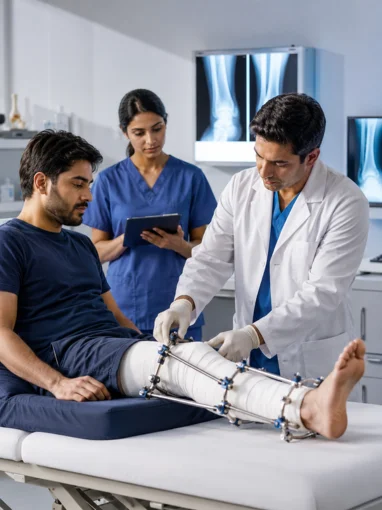
Advanced Fracture Care by Dr. Ramakant Kumar
A serious fracture can disturb life suddenly. One fall, accident, sports injury, or road trauma can lead to severe pain, swelling, deformity, and difficulty using the injured limb. In some cases, the bone may break into many pieces, shift from its normal position, or injure the nearby joint, muscles, nerves, blood vessels, or skin.
Patients often look for fracture bone treatment when the pain is more than a minor sprain or when the injured area does not improve with rest. A complex fracture needs careful evaluation because the treatment is not the same for every patient. Some injuries can be managed with support and monitoring, while others need surgery to bring the bone back into proper alignment.
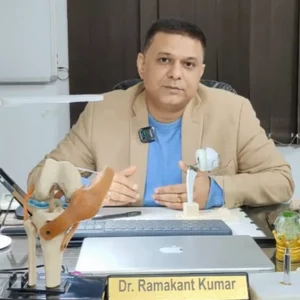
Dr. Ramakant Kumar provides complex fracture treatment in Patna with a focus on accurate diagnosis, safe fixation, soft tissue care, and guided recovery. His orthopaedic training includes MS Orthopaedics from AIIMS New Delhi, DNB Orthopaedics, Gold Medalist recognition, and advanced fellowship exposure in Singapore and South Korea.
The main aim of treatment is to help the bone heal in the correct position, protect joint movement, reduce complications, and support the patient’s return to normal activities.
Who Has a Higher Risk of Complex Fractures?
Complex fractures can happen to anyone, but certain people face a higher risk. Young adults may suffer these injuries during road accidents, sports, falls from height, or workplace trauma. Older people may develop serious fractures even after a low-impact fall because bone strength reduces with age.
Shoulder replacement is considered when the joint is badly damaged due to severe arthritis, complex fracture, long-term degeneration, or irreparable joint destruction. In such cases, arthroscopy may not provide enough relief.
Dr. Ramakant Kumar also provides expert evaluation for patients searching for a Shoulder Replacement Surgeon in Patna. He helps patients understand whether their condition needs arthroscopy, shoulder replacement, physiotherapy, injections, or another treatment option.
The right treatment is decided after examining the shoulder, reviewing imaging reports, and understanding the patient’s pain level, age, activity needs, and expectations.
Women after menopause, elderly patients, people with osteoporosis, and those with poor bone health may be more prone to fractures. Athletes and people involved in physically demanding work may also face repeated injury risk.
Common high-risk groups include:
- Athletes and active sportspersons.
- Elderly men and women.
Patients with osteoporosis.
People injured in road accidents.
Workers involved in heavy physical activity.
Patients with weak bones or vitamin D deficiency.
People with previous fracture history.
A proper check-up helps understand the fracture type, bone quality, soft tissue condition, and safest treatment option.
Types of Complex Fractures
Complex fractures can look very different from one patient to another. The treatment depends on where the bone has broken, how many pieces are present, whether the joint is involved, and whether the skin or soft tissues are injured.
Joint-Surface Fracture
Some fractures extend into the joint. These injuries need careful management because even small irregularities in the joint surface may affect movement later.
Fracture-Dislocation
In a fracture-dislocation, the bone breaks and the nearby joint also slips out of place. This is usually a painful injury and often needs urgent orthopaedic attention.
Displaced Fracture
A displaced fracture means the broken bone ends have moved away from their normal position. If not aligned properly, the bone may heal incorrectly.
Comminuted Fracture
A comminuted fracture means the bone has broken into several fragments. These injuries usually happen after high-force trauma and may need surgical fixation for proper alignment.
Fracture with Soft Tissue Injury
Some fractures also damage ligaments, tendons, cartilage, muscles, nerves, or blood vessels. These cases may require a more detailed treatment plan and longer rehabilitation.
Open Fracture
Shoulder replacement is considered when the joint is badly damaged due to severe arthritis, complex fracture, long-term degeneration, or irreparable joint destruction. In such cases, arthroscopy may not provide enough relief.
Dr. Ramakant Kumar also provides expert evaluation for patients searching for a Shoulder Replacement Surgeon in Patna. He helps patients understand whether their condition needs arthroscopy, shoulder replacement, physiotherapy, injections, or another treatment option.
The right treatment is decided after examining the shoulder, reviewing imaging reports, and understanding the patient’s pain level, age, activity needs, and expectations.
An open fracture happens when the broken bone is exposed through the skin or the wound reaches the fracture area. This type of injury needs urgent care because infection risk is higher.
Symptoms of a Complex Bone Fracture
The symptoms of fracture may be clear immediately after injury, but sometimes patients mistake the problem for a sprain. Pain that is severe, swelling that increases, or difficulty using the limb should not be ignored.
A bone crack, chipped bone, or displaced fracture can all cause different levels of pain. If the injury is close to a joint, symptoms may include stiffness, locking, or painful movement.
Common bone crack symptoms and chipped bone symptoms include:
Shoulder replacement is considered when the joint is badly damaged due to severe arthritis, complex fracture, long-term degeneration, or irreparable joint destruction. In such cases, arthroscopy may not provide enough relief.
Dr. Ramakant Kumar also provides expert evaluation for patients searching for a Shoulder Replacement Surgeon in Patna. He helps patients understand whether their condition needs arthroscopy, shoulder replacement, physiotherapy, injections, or another treatment option.
The right treatment is decided after examining the shoulder, reviewing imaging reports, and understanding the patient’s pain level, age, activity needs, and expectations.
- Sharp pain after injury.
- Swelling around the affected area.
- Difficulty moving the limb.
- Pain while standing, walking, or bearing weight.
- Visible change in shape.
- Unusual movement at the injury site.
- Open wound or bleeding.
- Numbness, tingling, or weakness.
- Stiffness near the joint.
If these signs appear after a fall, accident, or sports injury, the patient should get proper medical evaluation instead of relying only on home care. Early bone broken treatment helps reduce the chance of poor healing and long-term stiffness.
How Complex Fractures Are Diagnosed
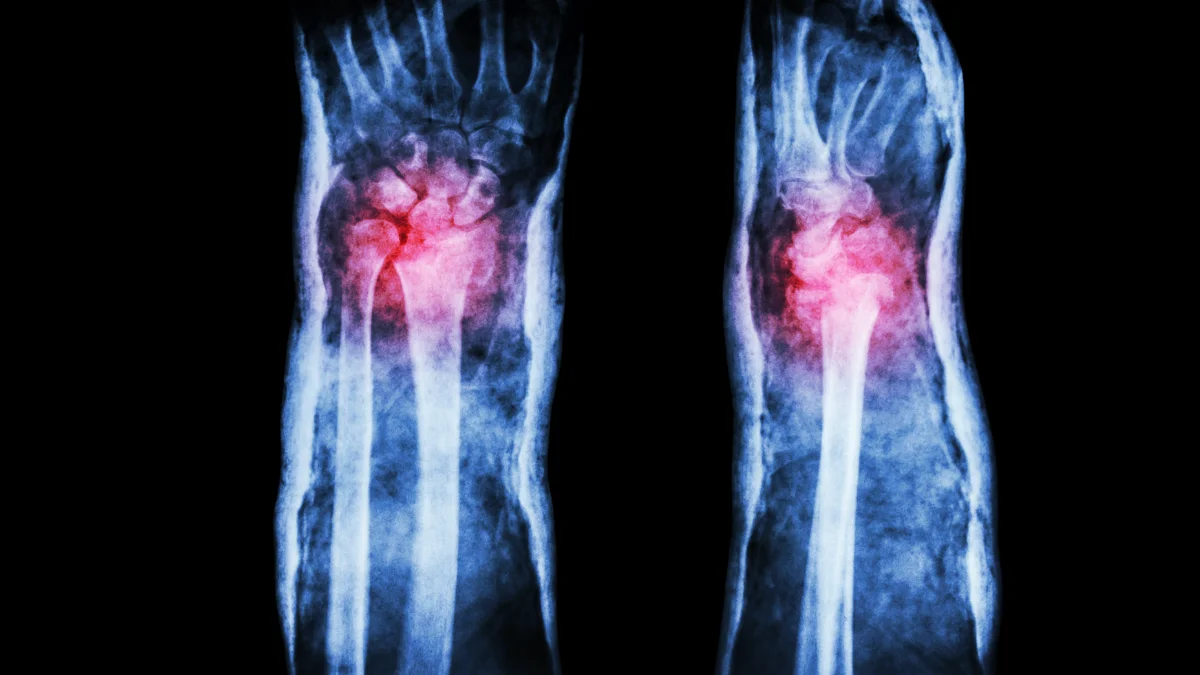
Diagnosis begins with a clinical examination. The doctor checks the injured area for pain, swelling, deformity, skin injury, movement, blood circulation, and nerve function. The way the injury happened also gives important clues about the severity of the fracture.
An X-ray is usually the first investigation. For fractures around joints or fractures broken into many pieces, a CT scan may be needed to understand the pattern clearly. MRI may be advised when ligament, cartilage, tendon, or soft tissue injury is suspected.
- In open fractures or high-impact injuries, the doctor may also check for blood loss, infection risk, and injury to nearby nerves or blood vessels. This complete assessment helps decide whether plaster, splint, brace, surgery, or staged treatment is needed.
Shoulder replacement is considered when the joint is badly damaged due to severe arthritis, complex fracture, long-term degeneration, or irreparable joint destruction. In such cases, arthroscopy may not provide enough relief.
Dr. Ramakant Kumar also provides expert evaluation for patients searching for a Shoulder Replacement Surgeon in Patna. He helps patients understand whether their condition needs arthroscopy, shoulder replacement, physiotherapy, injections, or another treatment option
The right treatment is decided after examining the shoulder, reviewing imaging reports, and understanding the patient’s pain level, age, activity needs, and expectations.
Being the Best Orthopedic Doctor in Patna, Dr. Ramakant Kumar specializes in complex fracture repair in both upper and lower extremities.
Treatment Options for Complex Fractures
The right bone broken treatment depends on the fracture location, alignment, number of bone fragments, joint involvement, skin condition, age, and overall health. A minor bone crack may heal with rest, plaster, splint, or brace. A severe or unstable fracture may need surgical correction.
Complex injuries often need advanced fracture bone treatment because the bone may not stay in the correct position without fixation. The goal is not just to join the bone, but to restore function as safely as possible.
Treatment may include:
Pain and swelling control.
- Plaster, splint, or brace in selected cases.
Wound cleaning in open injuries.
- Fracture reduction to improve alignment.
- Fixation with plates, screws, rods, nails, or wires.
- External fixation for severe open or swollen injuries.
- Treatment of ligament, tendon, or cartilage injury when needed.
- Physiotherapy after the bone starts healing.
The final plan is decided after examining the injury and reviewing imaging reports.
Complex Fracture Surgery in Patna
Shoulder replacement is considered when the joint is badly damaged due to severe arthritis, complex fracture, long-term degeneration, or irreparable joint destruction. In such cases, arthroscopy may not provide enough relief.
Dr. Ramakant Kumar also provides expert evaluation for patients searching for a Shoulder Replacement Surgeon in Patna. He helps patients understand whether their condition needs arthroscopy, shoulder replacement, physiotherapy, injections, or another treatment option.
The right treatment is decided after examining the shoulder, reviewing imaging reports, and understanding the patient’s pain level, age, activity needs, and expectations.
Surgery may be needed when the fracture is displaced, unstable, open, joint-related, or unlikely to heal well with plaster alone. In surgery, the broken fragments are positioned and stabilized using implants such as plates, screws, rods, nails, wires, or external fixators.
Joint fractures require extra precision because joint movement depends on smooth alignment. Open fractures need careful wound cleaning and infection prevention. Some severe injuries may need treatment in stages. For example, temporary fixation may be done first to protect soft tissues, followed by final fixation once swelling improves.
Complex fracture surgery is followed by regular monitoring. X-rays, wound care, medicines, physiotherapy, and gradual weight-bearing are important parts of recovery.
Ranked amongst the Top 3 Orthopedic Surgeons in Patna,Dr. Ramakant Kumar is well versed in performing all the surgical procedures of Complex Fracture.
Recovery After Complex Fracture Treatment
Recovery depends on the fracture site, injury severity, soft tissue damage, age, bone quality, diabetes, smoking, nutrition, and whether more than one surgery is needed. Some fractures heal within a few months, while severe injuries may take 6 to 9 months or longer.
Patients with joint involvement, open wounds, nerve injury, or multiple fractures may need longer rehabilitation. Recovery is not only about bone healing. Movement, strength, balance, and confidence also need to return gradually.
Recovery may involve:
- Follow-up visits.
- Exercises to reduce stiffness.
- Repeat X-rays to check healing..
- Wound care..
- Medicines as advised
- Physiotherapy for movement and strength.
- Gradual weight-bearing when permitted.
Shoulder replacement is considered when the joint is badly damaged due to severe arthritis, complex fracture, long-term degeneration, or irreparable joint destruction. In such cases, arthroscopy may not provide enough relief.
Dr. Ramakant Kumar also provides expert evaluation for patients searching for a Shoulder Replacement Surgeon in Patna. He helps patients understand whether their condition needs arthroscopy, shoulder replacement, physiotherapy, injections, or another treatment option.
- The right treatment is decided after examining the shoulder, reviewing imaging reports, and understanding the patient’s pain level, age, activity needs, and expectations.
- Temporary walking aids or protective supports may be advised until the bone gains enough strength.
- Rehabilitation should be followed properly because stiffness and weakness are common after complex injuries.
The right treatment is decided after examining the shoulder, reviewing imaging reports, and understanding the patient’s pain level, age, activity needs, and expectations.
Risks and Complications
Complex fractures are serious injuries, so some risks may remain even with good treatment. The chance of complications depends on the injury type, skin and soft tissue condition, bone quality, age, and medical health.
Possible complications include infection, delayed healing, non-union, malunion, stiffness, nerve or blood vessel injury, implant irritation, swelling, long-term pain, or need for another surgery
Timely care, correct fixation, infection control, follow-up, physiotherapy, and patient cooperation can reduce these risks and improve recovery.
Why Choose Dr. Ramakant Kumar for Complex Fracture Treatment in Patna?
Complex fracture care needs more than basic bone setting. It requires understanding the injury pattern, protecting the soft tissues, choosing the right fixation method, and planning rehabilitation from the beginning.
Dr. Ramakant Kumar evaluates each fracture according to the patient’s age, injury mechanism, bone condition, soft tissue involvement, and movement needs. The focus is on safe healing, better alignment, and functional recovery.
Key points include:
- 12+ years of orthopaedic experience.
- Fellowship training from Singapore and South Korea.
- DNB Orthopaedics and Gold Medalist.
Structured care from diagnosis to recovery.
- MS Orthopaedics from AIIMS New Delhi.
The right treatment is decided after examining the shoulder, reviewing imaging reports, and understanding the patient’s pain level, age, activity needs, and expectations.
- Dr. Ramakant Kumar also provides expert evaluation for patients searching for a Shoulder Replacement Surgeon in Patna. He helps patients understand whether their condition needs arthroscopy, shoulder replacement, physiotherapy, injections, or another treatment option.
- Shoulder replacement is considered when the joint is badly damaged due to severe arthritis, complex fracture, long-term degeneration, or irreparable joint destruction. In such cases, arthroscopy may not provide enough relief.
Experience in complex fracture care, trauma surgery, sports injuries, arthroscopy, and joint replacement.
Patients from Patna and nearby areas consult Dr. Ramakant Kumar for fracture surgery, trauma injuries, joint-related fractures, and complex bone injury care.
FAQs About Complex Fracture Treatment in Patna
Have questions about your orthopedic care? You’re not alone. Here are answers to some of the most commonly asked questions about hip replacement surgery and what to expect from the treatment.
What is a complex bone fracture?
A complex bone fracture is a serious injury where the bone may break into multiple pieces, move out of position, open through the skin, or damage nearby joints, nerves, muscles, ligaments, tendons, or blood vessels.
What are the common symptoms of fracture?
Common symptoms of fracture include severe pain, swelling, bruising, tenderness, difficulty moving the injured part, deformity, and pain while putting weight on the limb. Numbness, tingling, or an open wound may also occur.
Shoulder replacement is considered when the joint is badly damaged due to severe arthritis, complex fracture, long-term degeneration, or irreparable joint destruction. In such cases, arthroscopy may not provide enough relief.
Dr. Ramakant Kumar also provides expert evaluation for patients searching for a Shoulder Replacement Surgeon in Patna. He helps patients understand whether their condition needs arthroscopy, shoulder replacement, physiotherapy, injections, or another treatment option.
The right treatment is decided after examining the shoulder, reviewing imaging reports, and understanding the patient’s pain level, age, activity needs, and expectations.
What are bone crack symptoms?
Bone crack symptoms may include pain after injury, swelling, tenderness, difficulty using the limb, and pain that increases with movement or pressure. An X-ray may be needed even when the pain seems mild.
What are chipped bone symptoms?
Chipped bone symptoms may include localized pain, swelling, bruising, stiffness, clicking, or discomfort during movement. If the chipped bone is near a joint, it may cause locking or reduced motion.
How is a broken bone treated properly?
Broken bone treatment depends on the location, severity, alignment, and soft tissue condition. Some fractures can heal with plaster, splint, brace, rest, and medicines. If the bone is displaced, open, unstable, or broken into multiple pieces, surgery with plates, screws, rods, nails, wires, or external fixation may be required.
Does every complex fracture need surgery?
No. Some complex fractures may be treated without surgery if the bone alignment is acceptable and the fracture is stable. Surgery is usually considered when the fracture is displaced, open, unstable, or involves the joint.
How is complex fracture surgery done?
Complex fracture surgery may involve aligning the bone fragments and fixing them with plates, screws, rods, nails, wires, or an external fixator. The method depends on the bone involved, fracture pattern, soft tissue injury, and patient condition.
What is the usual recovery time for a complex fracture?
Recovery time depends on the bone involved, fracture pattern, soft tissue damage, age, medical condition, and whether surgery was needed. Some fractures improve within a few months, while severe complex fractures may need 6 to 9 months or longer for proper healing and rehabilitation
Can a complex fracture heal completely?
Many complex fractures can heal well with correct treatment and rehabilitation. The final result depends on injury severity, bone quality, soft tissue damage, age, medical condition, surgery timing, and physiotherapy.
What tests are needed for complex fracture treatment?
X-ray is usually the first test. CT scan may be needed for complex or joint fractures. MRI may be advised when ligament, cartilage, tendon, or soft tissue injury is suspected. Blood tests are often required before surgery.
Is physiotherapy needed after complex fracture surgery?
Yes. Physiotherapy helps reduce stiffness, rebuild strength, improve movement, and support safe return to daily activities. The exercise plan depends on the fracture type and healing progress.
When should I consult Dr. Ramakant Kumar?
You should consult Dr. Ramakant Kumar if you have severe pain after injury, swelling, deformity, open wound, inability to move the limb, fracture after accident, sports injury, or a fracture diagnosed as complex, displaced, or joint-related.
Shoulder replacement is considered when the joint is badly damaged due to severe arthritis, complex fracture, long-term degeneration, or irreparable joint destruction. In such cases, arthroscopy may not provide enough relief.
Dr. Ramakant Kumar also provides expert evaluation for patients searching for a Shoulder Replacement Surgeon in Patna. He helps patients understand whether their condition needs arthroscopy, shoulder replacement, physiotherapy, injections, or another treatment option.
The right treatment is decided after examining the shoulder, reviewing imaging reports, and understanding the patient’s pain level, age, activity needs, and expectations.