If you have just fractured a bone, your first thought is usually, “Is it a crack or a real break?” and your second thought is, “How fast can this heal?” I see this every day in my practice. The good news is that most fractured bones heal well when you get the right broken bone treatment early, protect the injury properly, and follow a clear plan for recovery. The bad news is that delays, home manipulation, or wrong splinting can convert a simple fracture into a long-term problem like stiffness, deformity, or persistent pain.
In this guide, I will walk you through bone crack symptoms, what to do in the first few hours, and how we decide the best bone fracture treatment in Patna based on the fracture type, location, and your daily needs.
Contents
- 1 What Exactly Is a Bone Fracture?
- 2 Bone Crack Symptoms and Signs of a Broken Bone
- 3 What to Do Immediately: First Aid for a Broken Bone
- 4 Why Treatment Differs: The Practical Types of Fractures (Patient-Friendly)
- 4.0.1 1) Non-displaced fracture (bone is cracked but aligned)
- 4.0.2 2) Displaced fracture (bone ends have shifted)
- 4.0.3 3) Joint-involving fracture (wrist, ankle, elbow, knee, shoulder)
- 4.0.4 4) Comminuted fracture (bone breaks into multiple fragments)
- 4.0.5 5) Open fracture (bone communicates with the outside through a wound)
- 5 How We Confirm the Diagnosis (And Why One X-ray View Is Not Enough)
- 6 Best Treatment Options for Fractured Bones and What Recovery Really Feels Like
- 7 Non-Surgical Treatment: Casting and Splinting
- 8 Closed Reduction: Setting the Bone Without Surgery
- 9 Surgical Treatment for Fractured Bones
- 10 What Recovery Feels Like After Fracture Treatment
- 11 Fracture Healing Timeline: What Is Normal and What Is Not
- 12 Common Mistakes That Delay Fracture Healing
- 13 Why Follow-Up Is as Important as Initial Treatment
- 14 How to Speed Up Bone Healing, When to Seek Help, and Choosing the Right Orthopedic Care
- 15 When Should You See an Orthopedic Doctor Immediately?
- 16 Can a Bone Crack Heal Without a Cast?
- 17 Why Choosing the Right Orthopedic Doctor Matters
- 18 Bone Fracture Treatment: What Patients Should Look For
- 19 Frequently Asked Questions
- 20 Conclusion
What Exactly Is a Bone Fracture?
A fracture simply means a break in the continuity of the bone. That break can be:
- a thin hairline crack (the bone is still aligned), or
- a complete break where the bone is separated into two pieces, or
- a displaced fracture where the broken ends have shifted away from their normal position.
From a treatment point of view, the most important question is not just “fractured bones or cracked bone?” The key question is: Is the bone stable and well-aligned, or unstable and displaced? Stable fractures usually heal with immobilization. Unstable or displaced fractures often need reduction (setting the bone) or surgery to restore alignment.
Bone Crack Symptoms and Signs of a Broken Bone
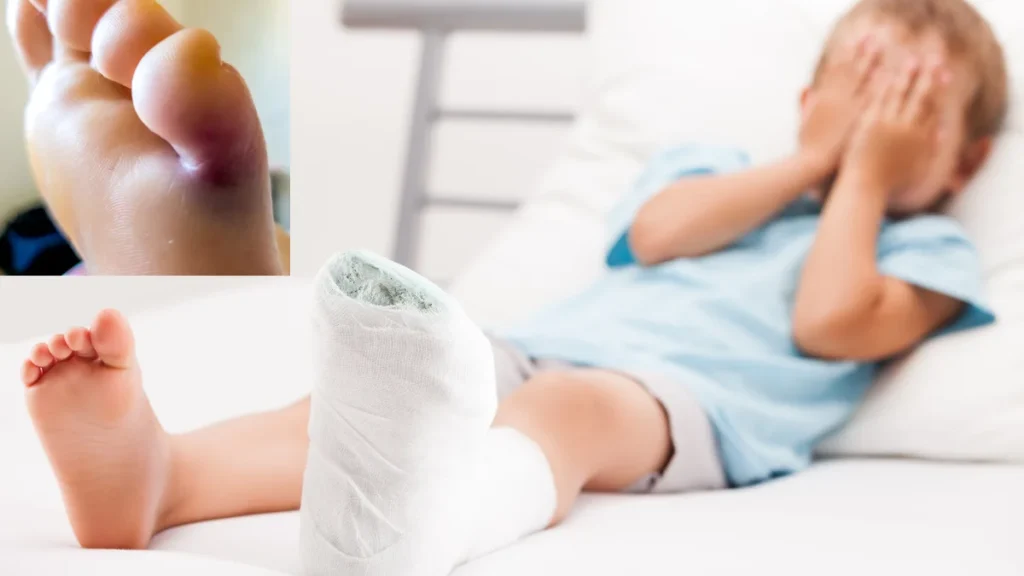
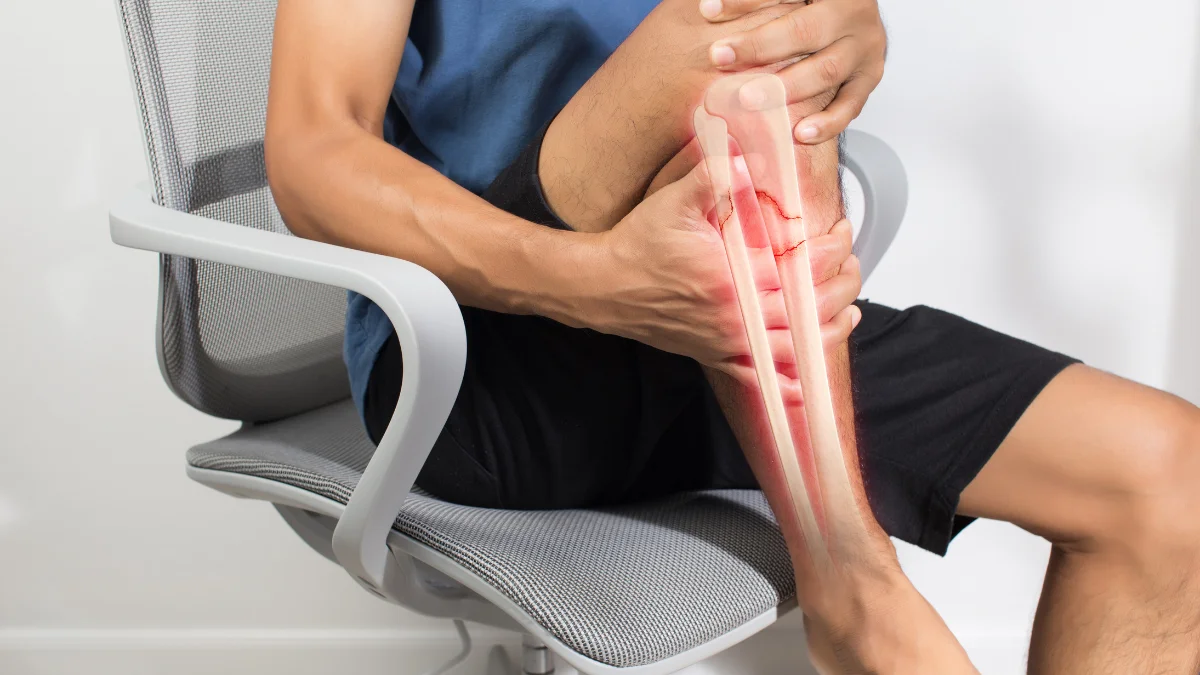
Many people in pain try to “test” the limb again and again, which only worsens swelling and bleeding inside the tissues. Instead, look for these practical signs.
Common bone crack symptoms
- Pain at one specific point that gets worse with movement or pressure
- Swelling that increases over the first few hours
- Bruising that appears within 12 to 48 hours (sometimes earlier)
- Difficulty using the limb normally (grip weakness, limping, limited range)
Signs that strongly suggest a fracture (not just a sprain)
- You cannot bear weight or use the limb the way you normally can
- The limb looks bent, rotated, or shorter than the other side
- A grinding feeling (some patients describe it as “bone rubbing”) when moving
- Sudden loss of function, like not being able to lift the wrist or stand
Red flags: do not wait if you notice these
These are situations where you should seek urgent orthopedic care.
- A wound near the fracture site (possible open fracture)
- Fingers or toes becoming blue, cold, or numb
- Increasing tightness and severe pain despite rest and painkillers (risk of compartment syndrome)
- Severe swelling with blistering skin
- Neck pain after a fall or accident (spine injury must be ruled out)
As an orthopedic doctor, when I hear numbness, color change, or severe progressive pain, I treat it like an emergency until proven otherwise.
What to Do Immediately: First Aid for a Broken Bone
Correct first aid can reduce pain, prevent further damage, and improve the final outcome. This is where many people make mistakes, especially after road accidents or falls.
Step 1: Immobilize the limb (do not keep checking movement)
- If it is an arm, support it against your body using a sling or a cloth.
- If it is a leg, avoid standing on it. Use a firm support and keep it still.
- If you do not have a splint, use a folded towel, cardboard, or a wooden board and secure it gently.
Important: Immobilize the joints above and below the suspected fracture when possible. For example, a forearm fracture needs the wrist and elbow supported.
Step 2: Ice correctly
Ice helps swelling and pain, but only when used correctly.
- Apply ice for 10 to 15 minutes at a time, then remove it for at least 30 to 45 minutes.
- Always wrap ice in a cloth. Do not put ice directly on the skin.
Step 3: Elevation (if safe)
If the limb is not deformed severely and you can elevate it comfortably, keep it raised above heart level to reduce swelling.
Step 4: Pain relief (be careful)
For many patients, simple pain relief helps you reach the hospital without suffering.
- Avoid taking multiple painkillers together.
- If you have a history of ulcers, kidney disease, blood thinners, or pregnancy, do not self-medicate. Get medical advice first.
What not to do (this prevents complications)
- Do not massage the area. Massage increases bleeding and swelling.
- Do not apply tight bandages that block circulation.
- Do not attempt to straighten a deformed limb forcefully.
- Do not delay imaging just because swelling is “not that much”. Some fractures look mild outside but are unstable inside.
This is one reason patients search for the best orthopedic doctor in Patna after an injury: they want someone who will not miss a hidden fracture pattern.
Why Treatment Differs: The Practical Types of Fractures (Patient-Friendly)
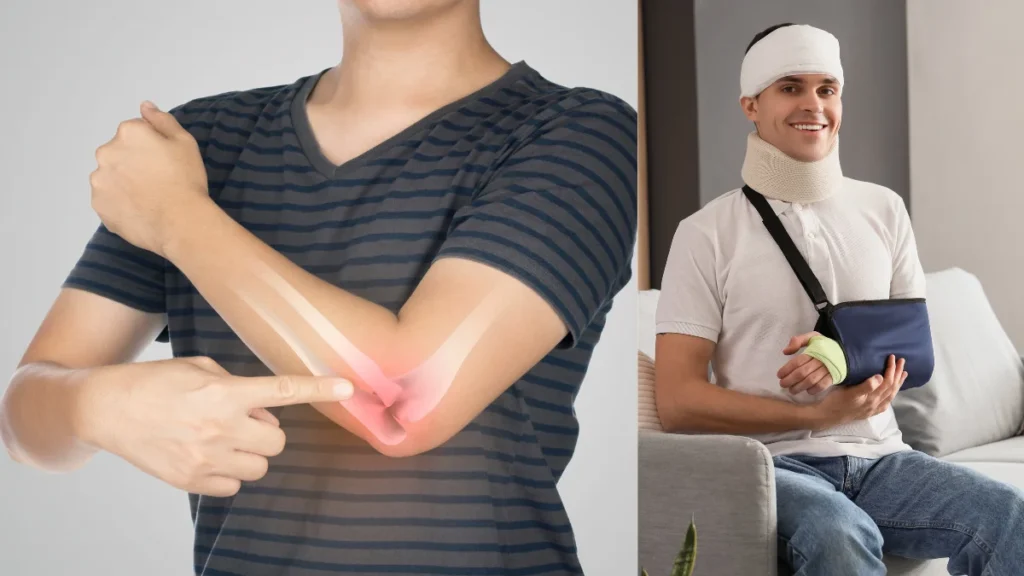
You do not need medical terminology to understand why one person needs a cast and another needs surgery. Let me break it down based on real-life decision points.
1) Non-displaced fracture (bone is cracked but aligned)
- Usually treated with splint/cast and follow-up X-rays
- Healing is generally predictable if you protect it properly
2) Displaced fracture (bone ends have shifted)
- Often needs reduction (setting the bone) and then casting
- If it keeps slipping out of position, surgery may be advised
3) Joint-involving fracture (wrist, ankle, elbow, knee, shoulder)
- Alignment must be more precise because joint surfaces must match
- Stiffness risk is higher, so rehab planning becomes equally important as bone healing
4) Comminuted fracture (bone breaks into multiple fragments)
- Stability can be poor
- Surgery is more commonly considered, especially if the limb alignment is affected
5) Open fracture (bone communicates with the outside through a wound)
- Emergency condition
- Needs urgent cleaning, antibiotics, tetanus update, and often surgical stabilization
In my experience, the biggest long-term problems happen when a displaced or joint fracture is treated casually without proper alignment checks.
How We Confirm the Diagnosis (And Why One X-ray View Is Not Enough)
Many patients assume one X-ray image is enough. In fracture management, the details matter.
- We usually take at least two X-ray views (front and side).
- Sometimes we add oblique views for wrists, ankles, and small bones.
- If the X-ray is normal but your symptoms strongly suggest a fracture (point tenderness, swelling, pain with load), we may:
- treat it like a fracture and repeat imaging, or
- use advanced imaging when needed (based on clinical judgment)
- treat it like a fracture and repeat imaging, or
This is also where experience matters in broken bone treatment: the scan supports the diagnosis, but the clinical examination tells us what to look for.
Best Treatment Options for Fractured Bones and What Recovery Really Feels Like
How We Decide the Best Treatment for a Fractured Bone
When patients ask me, “Doctor, what is the best treatment for my fracture?”, my answer is never one-size-fits-all. The right broken bone treatment depends on five practical factors:
- the exact bone involved
- whether the fracture is stable or displaced
- involvement of a joint
- your age, bone quality, and activity level
- how quickly you reached proper orthopedic care
Good fracture care is not about choosing casting or surgery blindly. It is about choosing the option that restores alignment, protects healing, and allows safe movement at the right time.
Non-Surgical Treatment: Casting and Splinting

This is the most common and effective treatment for many fractured bones.
When casting works best
Casting is usually ideal when:
- the fracture is non-displaced or minimally displaced
- the bone alignment is acceptable
- the fracture is stable after reduction
- joint surfaces are not badly involved
In these cases, the body heals the fracture naturally by forming new bone, provided we keep the area still and well-aligned.
What patients often do not realize
- Swelling reduces over 5 to 7 days, so a cast may feel loose later. This is normal, but follow-up is essential.
- Pain usually improves significantly within 10 to 14 days if alignment is correct.
- The cast is not just protection. It is part of the treatment. Removing it early or loosening it yourself delays healing.
Warning signs inside a cast
You should contact your orthopedic doctor immediately if you notice:
- increasing pain not relieved by rest
- numbness or tingling in fingers or toes
- tightness or burning sensation
- foul smell or discharge from inside the cast
Ignoring these signs can turn a simple fracture into a serious complication.
Closed Reduction: Setting the Bone Without Surgery
If a fracture is displaced but can be aligned without opening the skin, we perform a closed reduction.
What closed reduction actually means
- The bone is gently realigned using controlled movements.
- Pain relief or short anesthesia is used to keep you comfortable.
- X-rays are taken immediately after to confirm alignment.
- A cast or splint is applied to maintain position.
This method avoids surgery but still requires discipline from the patient. If the fracture shifts again, further intervention may be needed.
Surgical Treatment for Fractured Bones
Many patients fear surgery, but modern orthopedic surgery is done to restore anatomy and speed functional recovery, not to complicate healing.
When surgery becomes the best option
Surgery is usually advised when:
- the fracture is unstable and cannot stay aligned in a cast
- the fracture involves a joint surface
- multiple fragments are present
- the fracture is open
- early movement is essential for function, such as in certain wrist or hip fractures
What surgery involves in simple terms
- Plates and screws hold the bone in correct alignment
- Rods may be used inside long bones like the femur or tibia
- Fixation devices act like internal splints, allowing earlier movement
Surgery does not make bones weak. In fact, proper fixation often allows safer rehabilitation and better long-term outcomes.
What Recovery Feels Like After Fracture Treatment
Patients often worry when pain or stiffness persists after treatment. Understanding normal recovery reduces anxiety.
First 7 to 10 days
- Pain gradually decreases
- Swelling reduces
- You may still feel discomfort with movement or position change
2 to 6 weeks
- Bone healing begins internally
- Pain becomes more activity-related rather than constant
- Muscles around the fracture start to feel weak or stiff
After 6 weeks
- Many fractures show signs of solid healing on X-ray
- Controlled movement becomes important
- Physiotherapy may be started or intensified
Pain that steadily improves is reassuring. Pain that worsens after initial improvement needs review.
Fracture Healing Timeline: What Is Normal and What Is Not
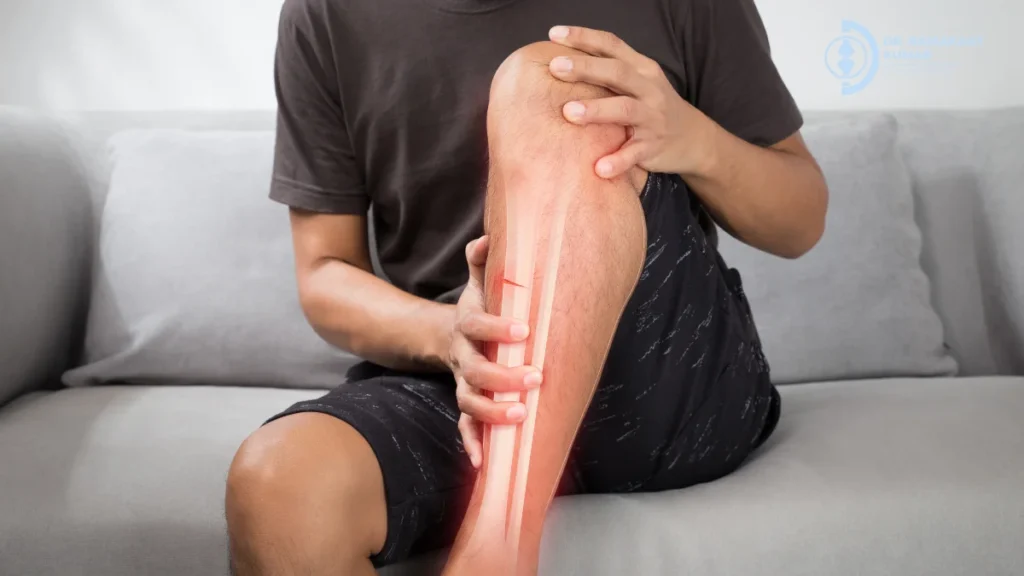
One of the most common searches I see is fracture healing timeline. Let me give you realistic expectations.
- Small bone fractures: about 4 to 6 weeks
- Upper limb long bones: around 6 to 8 weeks
- Lower limb weight-bearing bones: 8 to 12 weeks or more
- Complete functional recovery: may take several months
Healing is slower if:
- you smoke
- you have diabetes or thyroid issues
- nutrition is poor
- the fracture is repeatedly stressed
Healing is not just about bone joining. It is about regaining strength, balance, and confidence.
Common Mistakes That Delay Fracture Healing
These mistakes are more common than you might think.
- Using the injured limb too early because pain is less
- Skipping follow-up X-rays
- Removing splints at home
- Believing swelling reduction means healing is complete
- Ignoring physiotherapy advice
As an orthopedic doctor, I see delayed healing most often due to impatience, not poor treatment.
Why Follow-Up Is as Important as Initial Treatment
Fracture care does not end with a cast or surgery.
- Follow-up X-rays confirm healing progress
- Alignment issues can be corrected early
- Rehab plans are adjusted based on recovery
This structured follow-up is what separates average care from high-quality bone fracture treatment in Patna.
How to Speed Up Bone Healing, When to Seek Help, and Choosing the Right Orthopedic Care
How to Speed Up Fracture Healing Safely
Every patient wants faster recovery, but speeding up bone healing is about doing the right things consistently, not shortcuts. Here is what actually helps.
Nutrition that supports bone repair
Bone healing needs raw material and energy.
- Protein supports tissue repair. Include pulses, eggs, dairy, or lean meats based on your diet.
- Calcium supports bone strength. Dairy, ragi, sesame seeds, and leafy greens are useful.
- Vitamin D helps calcium absorption. Safe sunlight exposure and supplements if advised.
- Hydration matters more than people think. Dehydration slows tissue recovery.
Avoid excessive junk food and alcohol during healing. They interfere with bone metabolism.
Movement: rest vs controlled use
Complete rest for too long causes stiffness and muscle loss.
- Rest the fractured bone as advised
- Move the non-injured joints daily
- Start guided exercises only when your orthopedic doctor allows
Pain-free movement under guidance helps circulation and healing.
Lifestyle factors that slow healing
If you want your fracture to heal on time, avoid:
- Smoking or tobacco in any form
- Skipping medications or supplements
- Repeated minor trauma to the healing area
I often tell patients that smoking alone can delay fracture healing by weeks.
When Should You See an Orthopedic Doctor Immediately?
Many people delay care hoping pain will settle. That delay can cost you months of recovery.
Seek urgent orthopedic evaluation if:
- Pain is severe and not improving after 24 hours
- You cannot use the limb at all
- There is visible deformity or shortening
- Swelling is increasing rapidly
- Fingers or toes feel numb, cold, or discolored
- Pain suddenly worsens after initial improvement
If a fracture is already diagnosed, return early if:
- Pain increases inside a cast
- The cast feels too tight or too loose
- You notice foul smell, discharge, or skin irritation
Early correction prevents long-term complications.
Can a Bone Crack Heal Without a Cast?
This is a very common question.
Yes, some hairline fractures can heal without a full cast, but only when the fracture is stable and protected properly. In such cases, we may use:
- functional braces
- splints
- activity restriction with close follow-up
Trying to self-decide this without orthopedic evaluation is risky. What feels like a small crack can worsen with daily stress.
Why Choosing the Right Orthopedic Doctor Matters
Fracture treatment is not just about bones joining. It is about:
- correct alignment
- protecting joints
- restoring strength
- preventing stiffness and deformity
An experienced orthopedic doctor recognizes subtle instability, plans follow-ups properly, and adjusts treatment when healing is slower than expected. This approach reduces the risk of malunion, non-union, and chronic pain.
As a practicing orthopedic surgeon in Patna, I have seen thousands of cases where early expert care avoided unnecessary surgery and long-term disability.
Bone Fracture Treatment: What Patients Should Look For
If you are searching for bone fracture treatment in Patna, focus on quality of care, not just convenience.
Look for:
- proper imaging and examination
- clear explanation of treatment options
- structured follow-up plan
- access to physiotherapy guidance
- experience with both surgical and non-surgical fracture care
Frequently Asked Questions
How long does a fractured bone take to heal?
Most fractures show initial healing in 6 to 8 weeks, but full strength and function can take several months. Healing depends on fracture type, location, age, and overall health.
Is surgery always required for fractured bones?
No. Many fractured bones heal well with casting or splinting. Surgery is recommended only when alignment cannot be maintained or joint surfaces are involved.
Why does fracture pain increase at night?
At night, reduced movement and changes in circulation can increase pressure around the fracture site. Elevation and proper support usually help.
What happens if a fracture heals incorrectly?
Poor alignment can cause deformity, pain, limited movement, or early arthritis. That is why proper treatment and follow-up are essential.
Conclusion
A fractured bone can feel overwhelming, but with the right treatment plan, most people return to normal life without long-term issues. The key is early diagnosis, correct alignment, proper protection, and guided rehabilitation. Do not rush the process, but do not ignore warning signs either.
If you or a family member has suffered a fracture and needs clear guidance, timely evaluation by an experienced orthopedic specialist like Dr. Ramakant Kumar can make a real difference in healing and long-term comfort.
Your bones are meant to heal. Our job is to help them heal the right way.