

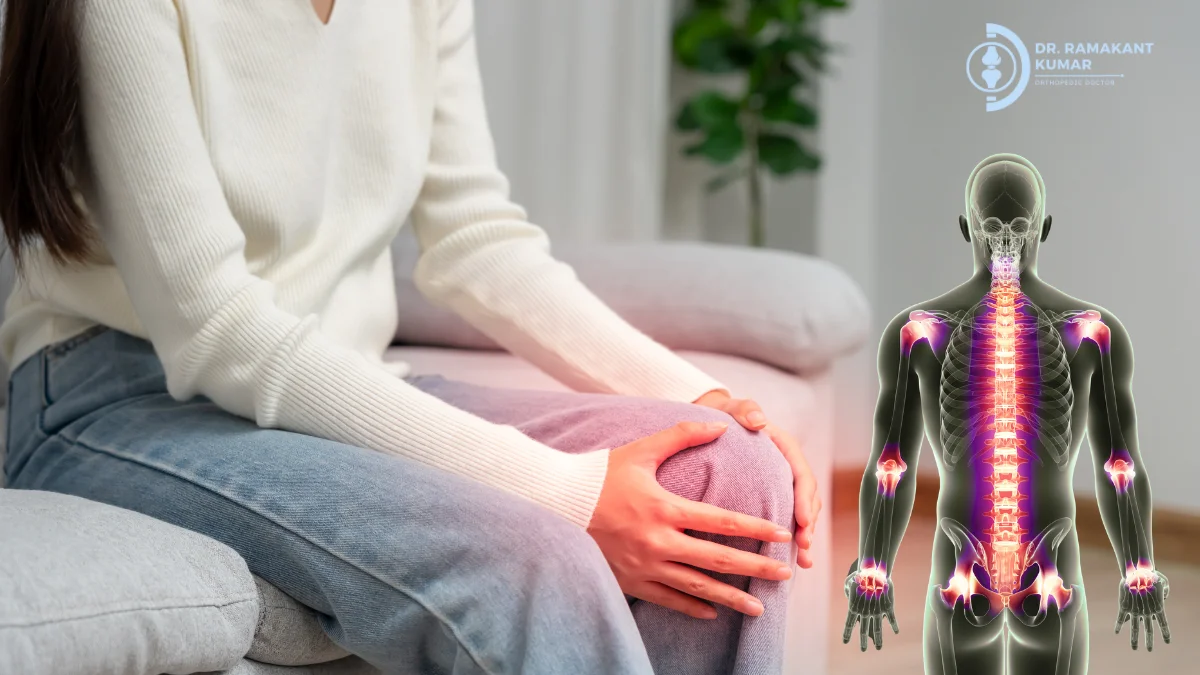
Every year, as winter approaches, I hear the same concern from many of my patients:
“Doctor, my knee pain increases as soon as the weather gets cold. Is this normal?”
If you are experiencing worsening knee pain, hip stiffness, shoulder discomfort, or finger joint pain during winter, you are not imagining it. There are clear medical reasons why joint pain feels worse in cold weather, especially if you already have arthritis, an old injury, or age-related joint wear.
In this article, I want to explain why joint pain gets worse in winter and, more importantly, how you can stop joint pain in winter using safe, proven, and practical methods. My goal is to help you understand what is happening inside your joints and guide you toward the right joint pain treatment before the problem starts affecting your daily life.
Contents
- 1 Does Cold Weather Really Make Joint Pain Worse?
- 2 Why Joint Pain Gets Worse in Winter: Medical Reasons Explained Clearly
- 3 Who Is Most Likely to Experience Winter Joint Pain?
- 4 7 Proven Ways to Prevent Joint Pain in Winter (What I Advise My Patients)
- 5 1. Keep Your Joints Warm, Not Just Your Body
- 6 2. Move Your Joints Every Day, Even If You Feel Stiff
- 7 3. Strengthen the Muscles That Support Your Joints
- 8 4. Maintain a Healthy Body Weight During Winter
- 9 5. Use Heat Therapy Correctly for Pain Relief
- 10 6. Improve Your Sitting, Sleeping, and Daily Posture
- 11 7. Do Not Ignore Pain That Persists or Worsens
- 12 Common Winter Mistakes That Make Joint Pain Worse
- 13 When Winter Joint Pain Is a Warning Sign You Should Not Ignore
- 14 How We Evaluate and Treat Winter Joint Pain as Orthopedic Specialists
- 15 Can Winter Joint Pain Be Prevented Long-Term?
- 16 Conclusion
- 16.1 FAQS
- 16.2 How do you get rid of joint pain in the winter?
- 16.3 What can I take for joint pain while pregnant?
- 16.4 How to reduce joint pain immediately?
- 16.5 Why do your joints hurt more in the winter?
- 16.6 Which joints are most affected by pregnancy?
- 16.7 When does pregnancy joint pain start?
- 16.8 Can joint pain indicate a problem?
- 16.9 Can pregnancy hormones cause joint pain?
- 16.10 How to massage knee joint pain?
- 16.11 What month is worst for arthritis?
- 16.12 When should I see a doctor for joint pain?
- 16.13 Why are my bones paining in winter?
- 16.14 Why do I feel pain in my bones?
- 16.15 How do you get rid of cold bone pain?
- 16.16 How to tell if pain is muscular or bone?
- 16.17 What vitamin am I lacking if my joints hurt?
Does Cold Weather Really Make Joint Pain Worse?
Yes, winter can make joint pain feel more intense, especially in people who already have joint problems.
Cold weather does not damage healthy joints directly. However, it reveals and amplifies existing joint issues. In my clinical practice, I often see patients who manage well during summer but struggle with pain, stiffness, and reduced movement as soon as temperatures drop.
This happens because cold weather affects your muscles, blood circulation, and pain sensitivity. When joints are already inflamed or weakened, these seasonal changes make discomfort more noticeable. That is why winter joint pain is more common in knees, hips, shoulders, and the lower back.
If your joint pain increases every winter, it is usually a sign that the joint needs better care, not stronger painkillers.
Why Joint Pain Gets Worse in Winter: Medical Reasons Explained Clearly
Understanding the reason behind winter joint pain helps you manage it better. Let me break this down in a simple, medical way.
1. Cold Causes Muscle Tightness Around the Joints
In cold weather, your muscles naturally tighten to preserve body heat. Tight muscles pull more on the joints they support. This extra tension increases pressure inside the joint, especially in weight-bearing joints like the knees and hips.
For patients with arthritis or previous injuries, this muscle stiffness often leads to morning pain and difficulty starting movement after rest.
2. Reduced Blood Circulation Increases Joint Discomfort
Cold temperatures cause blood vessels to narrow. This reduces blood flow to your joints and surrounding tissues. When circulation slows down, joints receive less oxygen and fewer nutrients.
Poor circulation can increase inflammation and slow down the natural repair process, which is why joint pain feels deeper and more persistent in winter.
3. Changes in Air Pressure Affect Sensitive Joints
During winter, barometric pressure often drops. Lower air pressure allows tissues around the joint to expand slightly. In a healthy joint, this change goes unnoticed. But in joints with inflammation or cartilage damage, this expansion increases pressure and pain.
This is one reason many arthritis patients can predict weather changes based on joint pain.
4. Reduced Physical Activity Makes Joints Stiffer
Many people move less during winter. Less walking, less exercise, and longer sitting hours cause joints to become stiff. Movement helps lubricate joints naturally. Without regular motion, joints dry out and become painful.
Inactivity is one of the most overlooked causes of worsening joint pain in winter.
Who Is Most Likely to Experience Winter Joint Pain?
Not everyone feels joint pain during winter, but some people are more vulnerable.
You are more likely to experience winter joint pain if you:
- Have osteoarthritis or rheumatoid arthritis
- Have had a previous fracture, ligament tear, or joint surgery
- Are recovering from knee replacement or hip replacement
- Spend long hours sitting with little physical activity
- Carry extra body weight that stresses the joints
In my experience as an orthopedic doctor in Patna, patients with knee arthritis and old sports injuries report the most discomfort during cold months.
7 Proven Ways to Prevent Joint Pain in Winter (What I Advise My Patients)
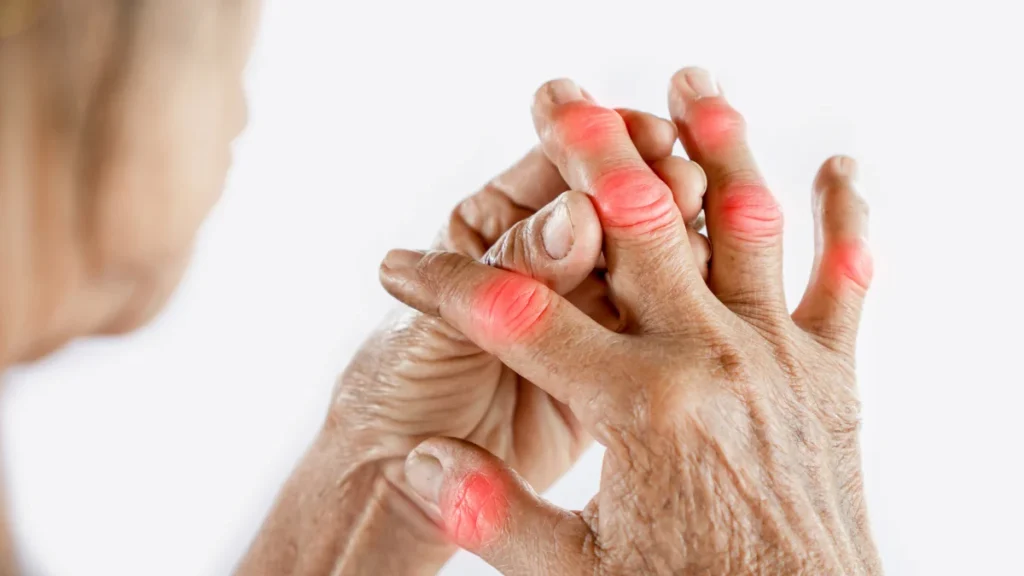
Over the years, I have treated thousands of patients who struggle with joint pain every winter. The good news is this: most winter joint pain can be controlled without surgery if you follow the right approach consistently.
Below are 7 medically proven and practical ways to reduce and prevent joint pain during cold months.
1. Keep Your Joints Warm, Not Just Your Body
Many people wear warm clothes but leave their joints exposed. This is a common mistake.
Your knees, ankles, wrists, and shoulders need direct warmth. Cold joints stiffen faster and become painful.
What I recommend:
- Use knee caps or joint sleeves during winter
- Cover joints properly when going outdoors
- Avoid cold floors, especially for knees and feet
- Do not expose painful joints directly to cold air or fans
Keeping joints warm improves blood circulation and reduces stiffness naturally.
2. Move Your Joints Every Day, Even If You Feel Stiff
One of the biggest reasons joint pain worsens in winter is lack of movement.
Many patients stop walking or exercising because of fear of pain. Unfortunately, this makes the problem worse.
What works:
- Gentle walking for 20 to 30 minutes daily
- Slow knee bending and straightening exercises
- Shoulder and hip mobility movements
- Morning movement before sitting for long hours
Movement increases joint lubrication and reduces stiffness. Pain often improves after controlled activity, not rest.
3. Strengthen the Muscles That Support Your Joints
Weak muscles force your joints to work harder. In winter, when muscles are already tight, weak support increases joint stress.
This is especially important for knee pain treatment.
I often advise:
- Quadriceps strengthening for knee support
- Hip strengthening to reduce knee and back pain
- Core muscle strengthening for spine stability
- Simple home exercises under guidance
Strong muscles act like shock absorbers and protect your joints from further damage.
4. Maintain a Healthy Body Weight During Winter
Winter weight gain is common, but even a small increase in weight can significantly increase knee joint pressure.
For example, every extra kilogram of body weight adds several kilograms of pressure on your knees while walking.
What I suggest:
- Avoid overeating during winter
- Focus on balanced meals, not crash dieting
- Keep daily movement consistent
- Do not ignore gradual weight gain
Weight management plays a major role in long-term joint pain treatment.
5. Use Heat Therapy Correctly for Pain Relief
Heat therapy is one of the safest ways to manage winter joint pain when used correctly.
Heat helps by:
- Relaxing tight muscles
- Improving blood flow
- Reducing stiffness
You can use:
- Hot water bags
- Warm compresses
- Warm showers for stiff joints
Important medical advice:
- Do not use heat on swollen or recently injured joints
- Limit heat application to 15 to 20 minutes
- Avoid excessive heat that may burn the skin
Heat is supportive care, not a cure, but it helps many patients feel immediate relief.
6. Improve Your Sitting, Sleeping, and Daily Posture
Poor posture increases joint strain, especially during winter when stiffness is already high.
Common problems I see:
- Sitting with knees bent for long hours
- Sleeping in positions that stress the neck or knees
- Using very soft mattresses that misalign the spine
What helps:
- Use a chair that supports your back and knees
- Avoid sitting continuously for more than 30 to 40 minutes
- Use a pillow between knees while sleeping if you have hip or knee pain
- Keep joints in neutral positions
Small posture corrections reduce daily joint stress significantly.
7. Do Not Ignore Pain That Persists or Worsens
This is one of the most important points I want you to remember.
If joint pain:
- Lasts more than 2 to 3 weeks
- Increases despite home care
- Comes with swelling or stiffness
- Disturbs sleep or walking
Then it is time to consult an orthopedic specialist.
Early evaluation helps identify arthritis, cartilage damage, ligament issues, or alignment problems before they worsen. Delaying proper joint pain treatment often leads to long-term damage.
Common Winter Mistakes That Make Joint Pain Worse
In winter, many patients unknowingly worsen their condition by:
- Completely stopping physical activity
- Overusing painkillers without diagnosis
- Ignoring swelling and morning stiffness
- Assuming pain is normal because of age or weather
Joint pain should never be ignored, regardless of season.
When Winter Joint Pain Is a Warning Sign You Should Not Ignore
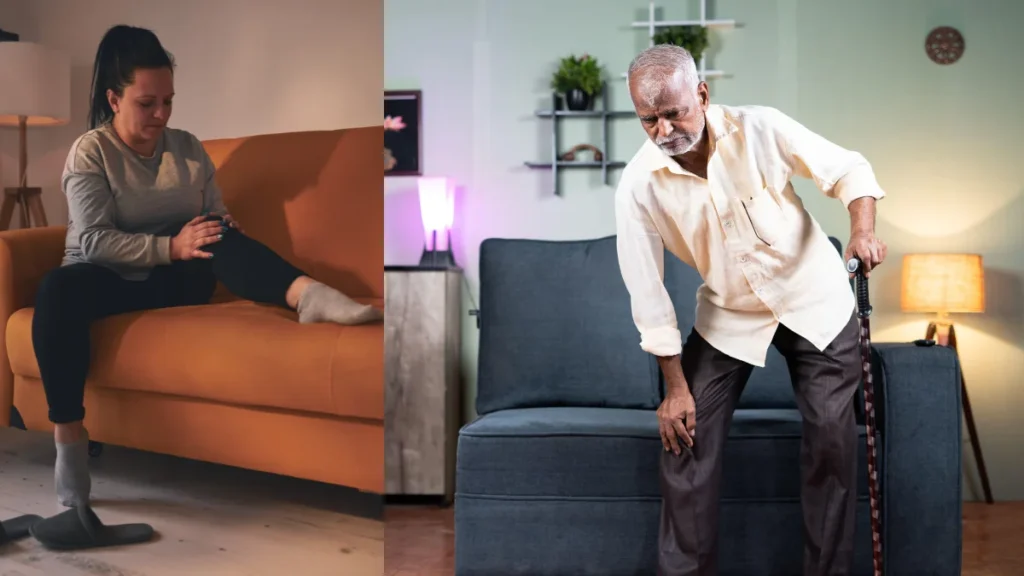
While mild stiffness and occasional discomfort are common in winter, not all joint pain should be ignored. In my practice, I often see patients who delayed treatment assuming the pain would settle once the season changed. Unfortunately, this delay sometimes leads to permanent joint damage.
You should take winter joint pain seriously if you notice:
- Pain that lasts beyond two or three weeks
- Swelling, warmth, or visible joint stiffness
- Difficulty walking, climbing stairs, or standing up
- Pain that wakes you up at night
- Sudden worsening of pain without any injury
These signs may indicate progressing arthritis, cartilage wear, ligament damage, or alignment problems. Early diagnosis makes joint pain treatment simpler and more effective.
How We Evaluate and Treat Winter Joint Pain as Orthopedic Specialists
When you visit us for joint pain treatment, the goal is not just to reduce pain temporarily, but to identify the root cause.
A proper orthopedic evaluation usually includes:
- Detailed discussion about pain pattern, stiffness, and daily limitations
- Physical examination of joint movement, stability, and muscle strength
- X-rays or imaging if required to assess cartilage, bone, or ligament health
- Review of posture, walking pattern, and lifestyle factors
Based on this, we create a personalized treatment plan, which may include:
- Targeted physiotherapy and strengthening exercises
- Lifestyle and activity modifications
- Medications only when truly necessary
- Injections for selected cases
- Surgical options only when conservative treatment fails
As an orthopedic doctor in Patna, my approach has always been to preserve your natural joint as long as possible and help you stay active safely.
Can Winter Joint Pain Be Prevented Long-Term?
Yes, in most cases, winter joint pain can be controlled and significantly reduced.
Patients who follow proper joint care, maintain muscle strength, manage weight, and seek timely orthopedic guidance often experience:
- Less stiffness during cold months
- Better mobility and confidence
- Slower progression of arthritis
- Reduced dependence on pain medications
Winter does not have to mean months of discomfort. With the right habits and timely care, your joints can remain functional and strong.
Conclusion
If your joint pain worsens every winter, it is your body asking for attention, not silence.
Understanding why joint pain increases in cold weather empowers you to take control. Simple steps like keeping joints warm, staying active, strengthening muscles, and correcting daily habits can make a noticeable difference. More importantly, early evaluation prevents small problems from becoming lifelong limitations.
If you are unsure how to stop joint pain in winter or are looking for reliable joint pain treatment, consult a qualified orthopedic specialist who listens, examines carefully, and treats conservatively.
Your joints are meant to move. With the right care, they can continue to support you comfortably through every season.
FAQS
How do you get rid of joint pain in the winter?
You can reduce joint pain in winter by keeping joints warm, staying physically active, strengthening supporting muscles, and using heat therapy correctly. Daily movement improves joint lubrication, while weight control and posture correction reduce stress on joints. Persistent pain needs proper orthopedic evaluation, not just painkillers.
What can I take for joint pain while pregnant?
During pregnancy, medications should only be taken if prescribed by a doctor. Joint pain is usually managed with posture correction, gentle stretching, warm compresses, supportive footwear, and pregnancy-safe physiotherapy. Self-medication is not recommended due to safety risks for the baby.
How to reduce joint pain immediately?
To reduce joint pain immediately, rest the joint briefly, apply gentle heat, and perform slow range-of-motion movements. Avoid cold exposure and sudden strain. If pain is severe, swollen, or persistent, medical evaluation is necessary instead of repeated home remedies.
Why do your joints hurt more in the winter?
Joints hurt more in winter due to muscle tightness, reduced blood circulation, lower air pressure, and decreased physical activity. These factors increase stiffness and pain sensitivity, especially in joints affected by arthritis, previous injuries, or cartilage wear.
Which joints are most affected by pregnancy?
The joints most affected during pregnancy are the hips, pelvis, lower back, knees, and ankles. Weight gain, posture changes, and hormonal ligament relaxation increase stress on these joints, leading to pain and instability as pregnancy progresses.
When does pregnancy joint pain start?
Pregnancy joint pain usually starts in the second trimester and often increases in the third trimester. Hormonal changes, body weight increase, and altered posture are the main reasons joint discomfort becomes more noticeable during this period.
Can joint pain indicate a problem?
Yes. Joint pain can indicate arthritis, ligament injury, cartilage damage, infection, or autoimmune disease. Pain lasting more than two to three weeks, worsening with time, or associated with swelling and stiffness should always be medically evaluated.
Can pregnancy hormones cause joint pain?
Yes. Pregnancy hormones, especially relaxin, loosen ligaments to prepare the body for childbirth. This reduced joint stability can cause pain in the hips, pelvis, knees, and lower back, particularly during movement or prolonged standing.
How to massage knee joint pain?
Knee joint pain should be massaged by focusing on the thigh and calf muscles, not directly on the knee joint. Gentle circular strokes improve circulation and reduce stiffness. Avoid deep pressure if there is swelling or sharp pain.
What month is worst for arthritis?
For most people, December and January are the worst months for arthritis. Cold temperatures, reduced activity, and barometric pressure changes increase joint stiffness and pain during these months.
When should I see a doctor for joint pain?
You should see a doctor if joint pain lasts more than two to three weeks, limits daily activity, causes swelling, disturbs sleep, or worsens without injury. Early orthopedic evaluation prevents long-term joint damage.
Why are my bones paining in winter?
Bone pain in winter is commonly caused by vitamin D deficiency, reduced sunlight exposure, muscle stiffness, or underlying joint problems. Persistent bone pain should be investigated to rule out nutritional or metabolic issues.
Why do I feel pain in my bones?
Bone pain can result from nutrient deficiencies, inflammation, stress injuries, arthritis, or poor circulation. Deep or persistent bone pain should not be ignored and requires medical assessment to identify the cause.
How do you get rid of cold bone pain?
Cold bone pain improves with keeping the body warm, maintaining adequate vitamin D levels, gentle daily movement, and proper nutrition. If pain persists despite these measures, medical evaluation is necessary.
How to tell if pain is muscular or bone?
Muscle pain usually feels sore or tight and improves with movement, while bone pain is deep, localized, and persistent, often worsening at night. Pain that does not improve with rest should be medically evaluated.
What vitamin am I lacking if my joints hurt?
Joint pain is most commonly linked to vitamin D deficiency. Low calcium, vitamin B12, or magnesium may also contribute. Blood tests help confirm deficiencies before starting supplementation.